

The fashion industry continues to evolve rapidly. However, the fast fashion trend, which prioritizes mass production and low prices, has begun to create many negative impacts on both the environment and worker welfare.
As an alternative, the concept of slow fashion has emerged. Slow fashion is a movement that emphasizes the importance of quality, sustainability, and ethics in clothing production.
This concept is increasingly relevant, especially for those who want to build a fashion brand with a strong and responsible identity.
What Is Slow Fashion?
Slow fashion is a fashion business approach that contrasts with fast fashion. Instead of chasing rapidly changing seasonal trends, slow fashion focuses on timeless, high-quality, and environmentally friendly products.
This philosophy encourages fashion business owners to pay closer attention to the source of materials, production processes, and the social impact generated. In other words, slow fashion is not just about selling clothing, but also about creating a more sustainable fashion ecosystem.
Key Principles in Slow Fashion
Focus on Quality, Not Quantity
In slow fashion, product quality is the top priority. Clothing made with the best techniques and materials will last longer and not quickly become waste.
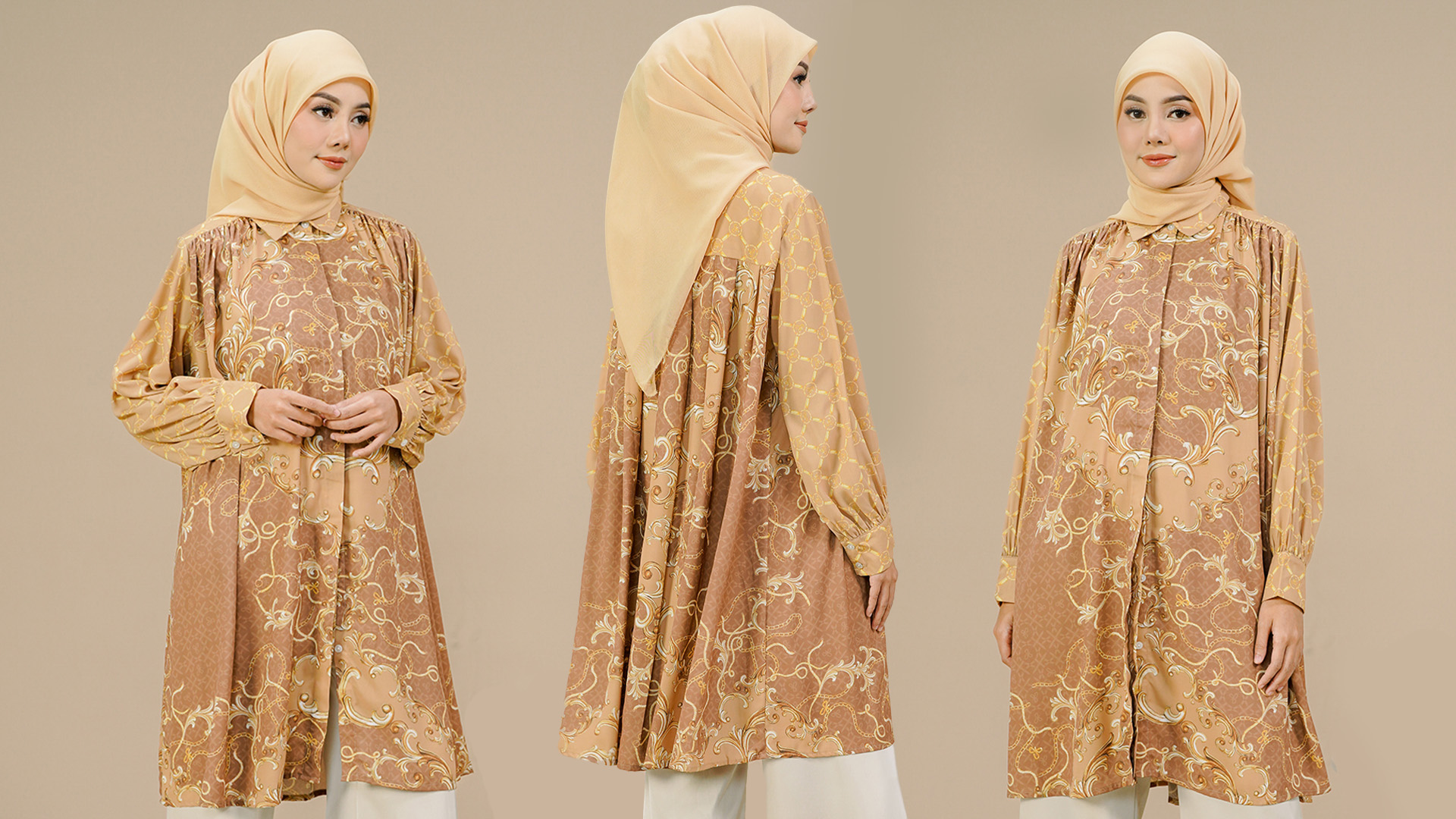
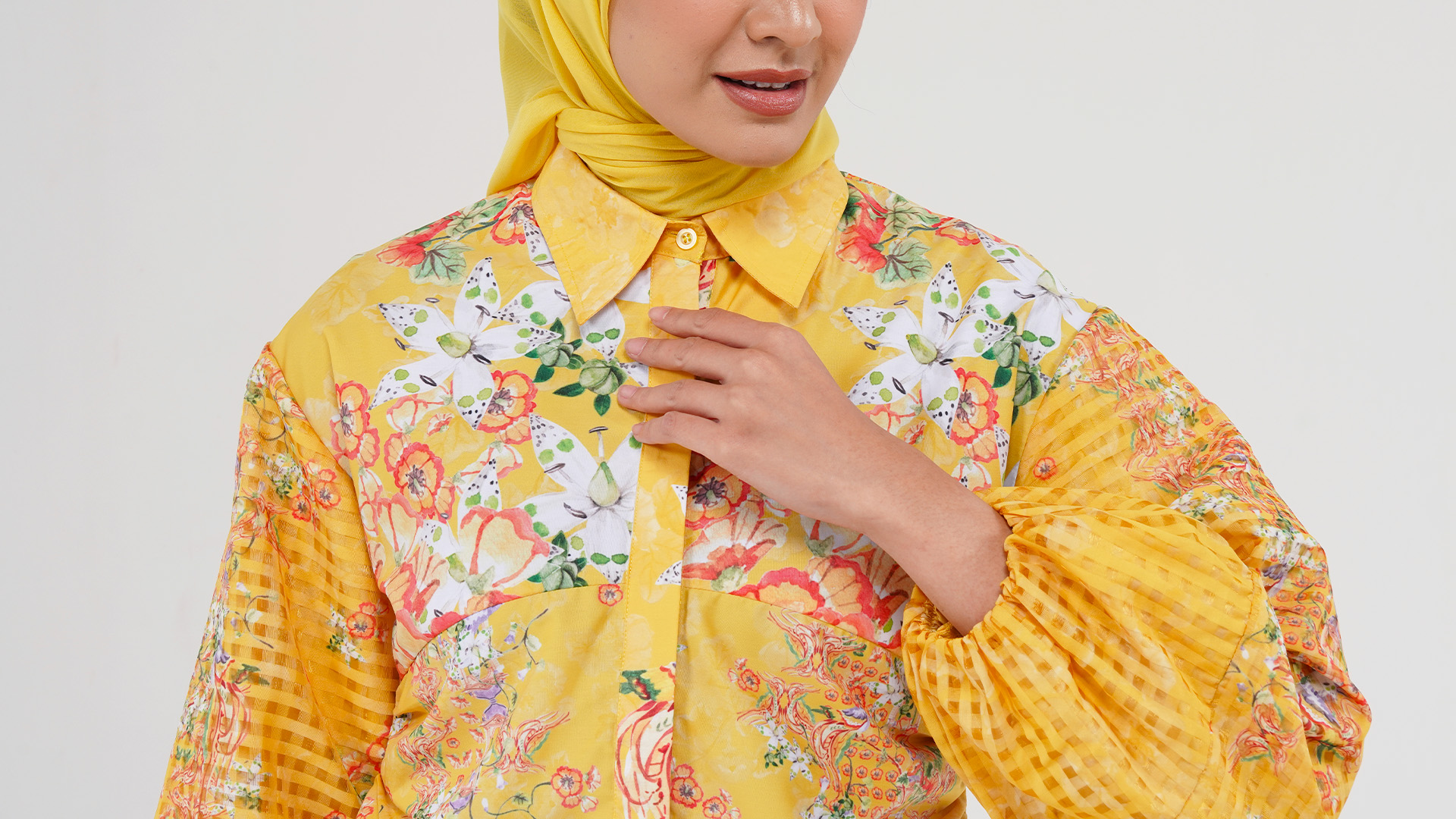
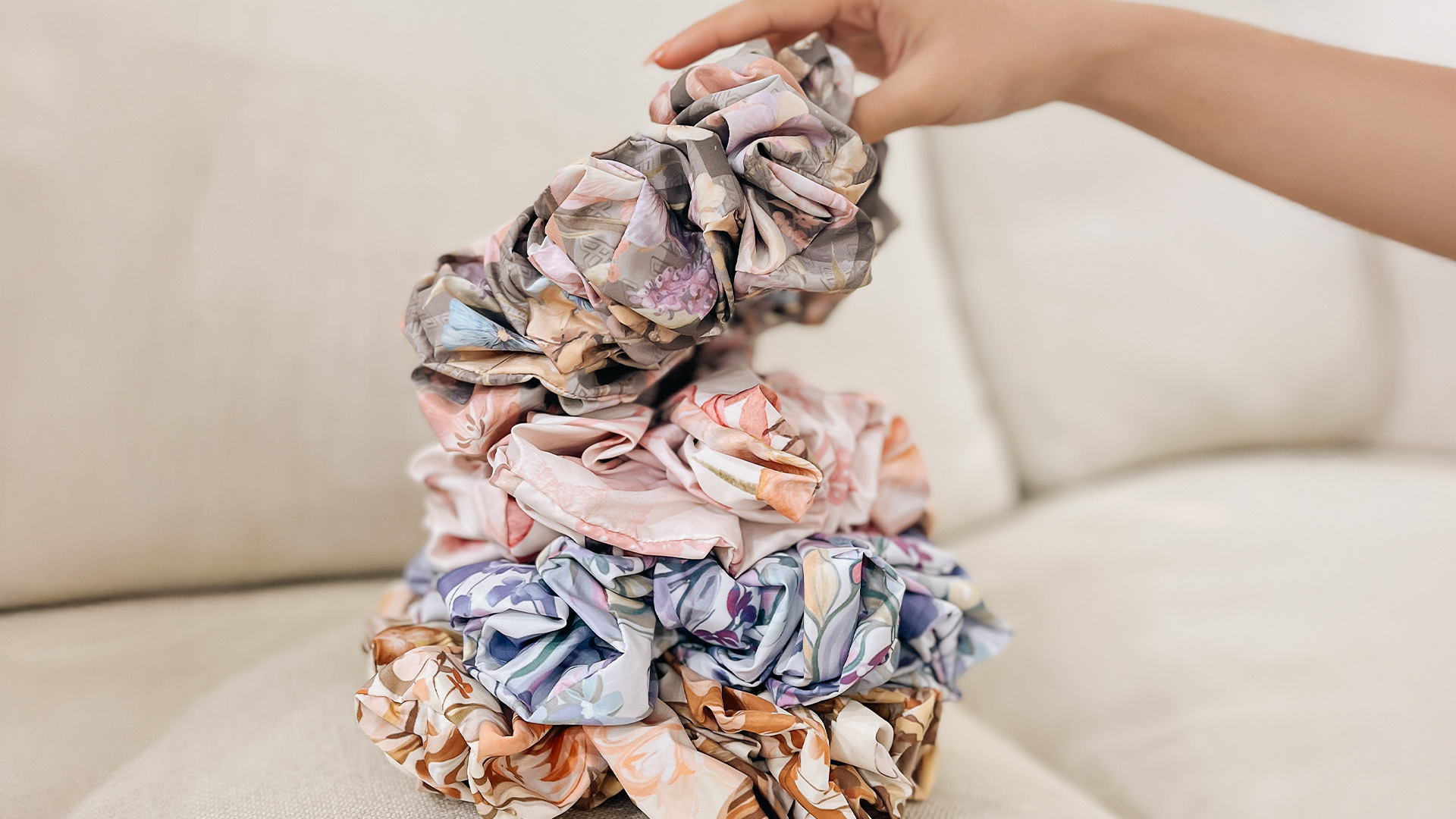
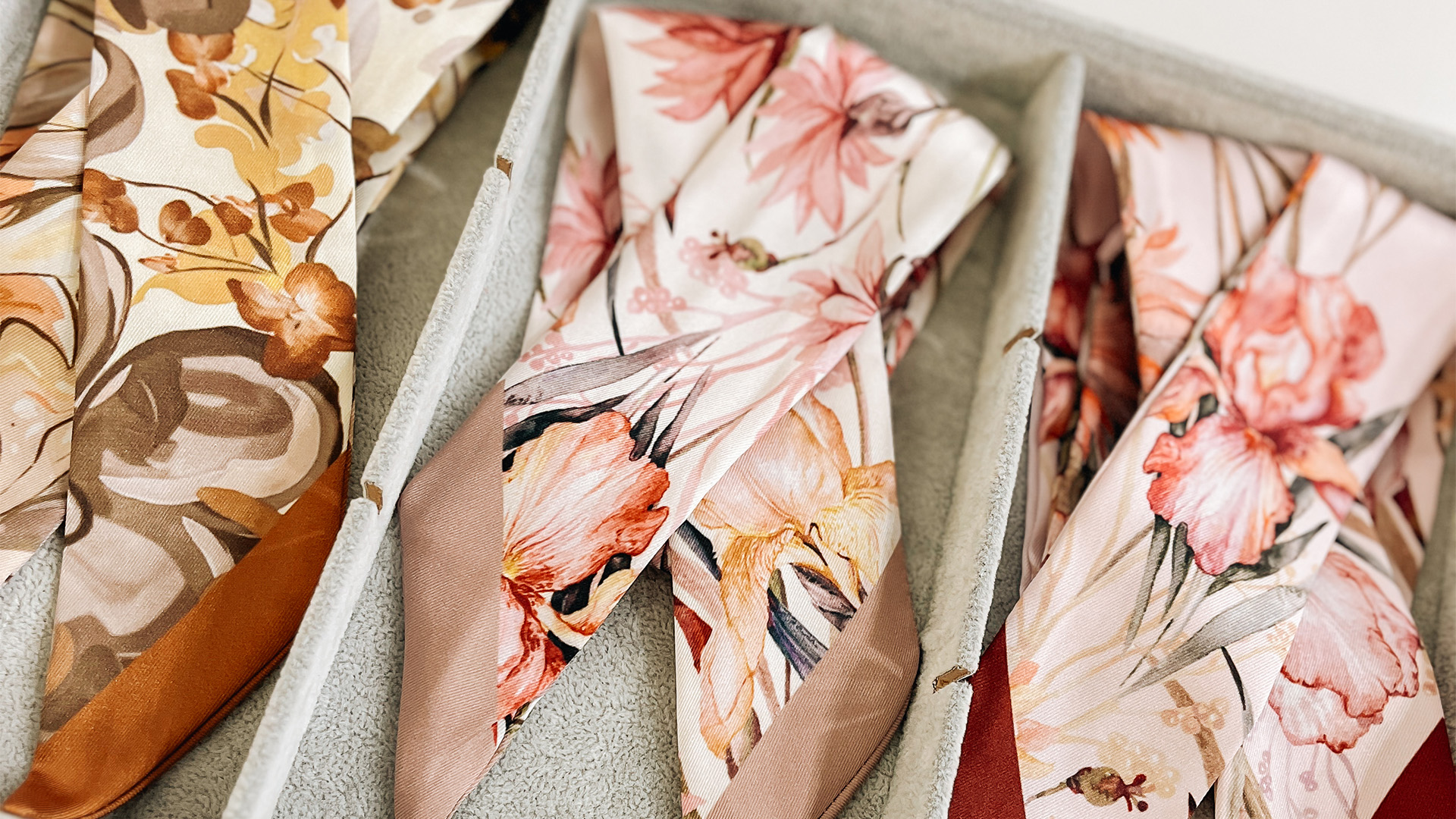
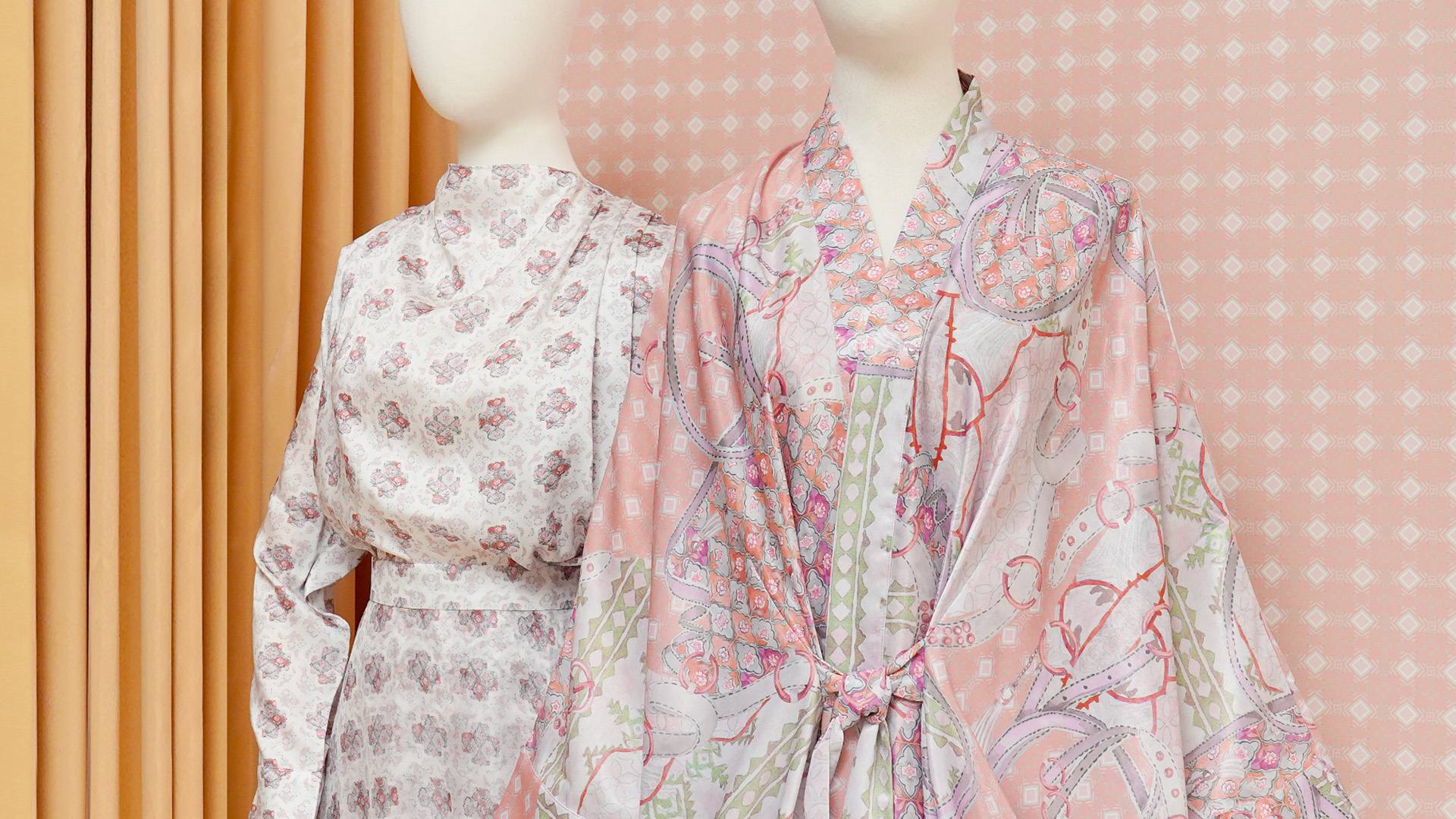
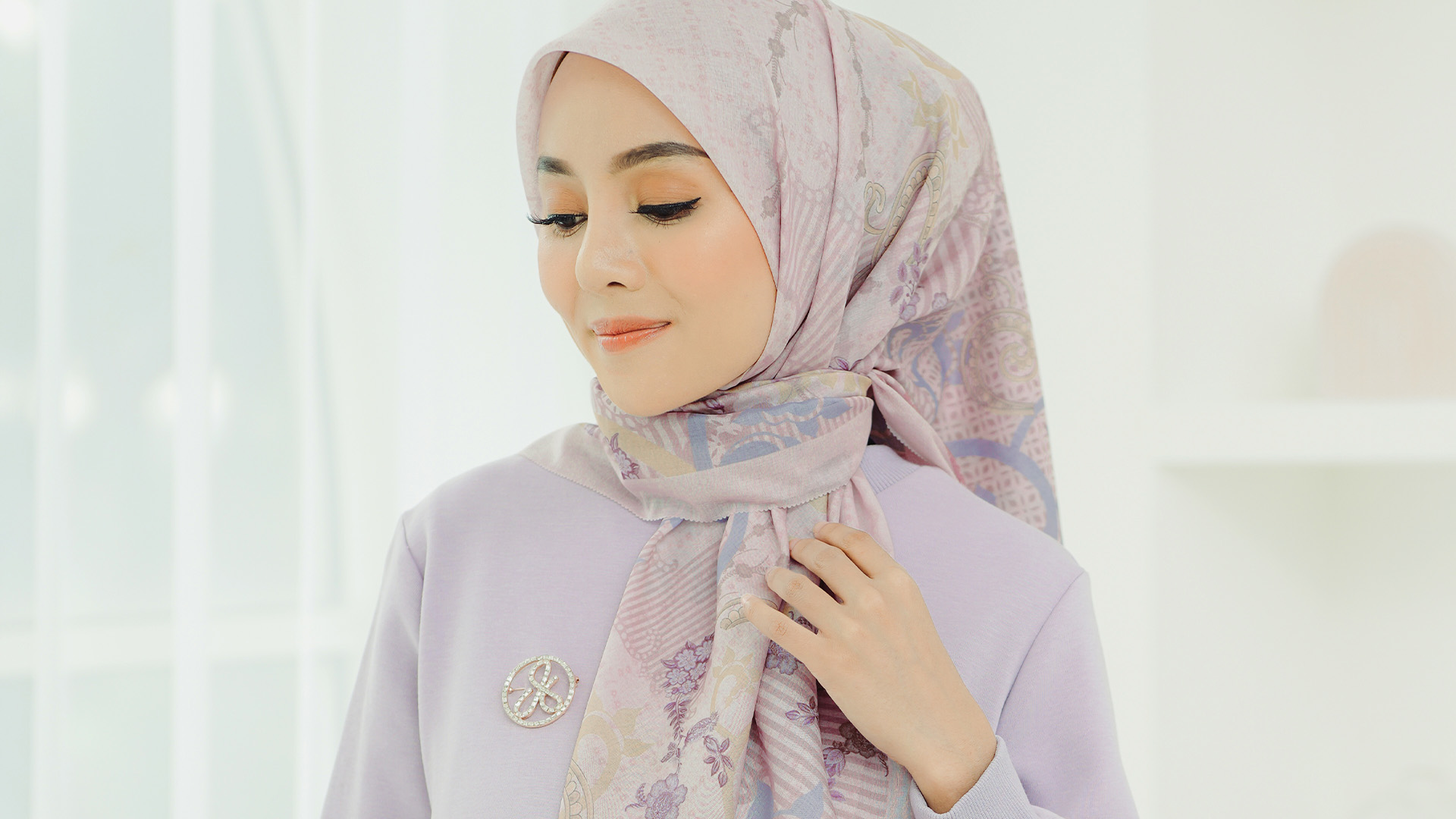
Quality also includes details such as fabric printing. Good printing not only produces beautiful patterns but also ensures durability and resistance to fading. This adds value to your products and enhances consumer satisfaction.
Choosing Environmentally Friendly and Durable Materials
Materials form the foundation of every fashion product. Slow fashion principles emphasize using materials with minimal environmental impact, such as natural fibers, organic fabrics, or recycled materials.
Besides being eco-friendly, the chosen materials must also be durable so the garments can be worn multiple times. Selecting the right fabric reduces waste and strengthens your brand image as a business that cares about sustainability.
Ethical Production and Fair Treatment of Workers
Slow fashion is also a movement that emphasizes social justice. Every production process must be conducted ethically with attention to worker welfare.
Fair wages, safe working conditions, and respect for worker skills are important factors that cannot be ignored. By applying this principle, your fashion brand not only creates valuable products but also contributes to positive social change.
How to Apply Slow Fashion in Your Business
Start with Sustainable Design and Materials
The first step in implementing slow fashion is designing timeless products. Simple, elegant, and multifunctional designs ensure the clothing remains relevant even as trends change.
Additionally, choosing sustainable materials is key. For fabric printing needs, you can collaborate with suppliers who support eco-friendly practices, ensuring the final product aligns with slow fashion principles.
Educate Consumers on Product Value
Equally important, fashion businesses need to educate consumers. Many shoppers are still focused on low prices without understanding the value of high-quality products.
Your role is to provide information about materials, production processes, and reasons why your products are more valuable than fast fashion. This way, consumers will better appreciate investing in durable and ethically made clothing.
In simple terms, slow fashion is an approach in the fashion world that emphasizes quality, sustainability, and ethics. These principles are crucial for fashion brands that want to survive long-term and build a positive image among consumers.
By choosing eco-friendly materials, ensuring fair production, and educating consumers, you can offer products that are not only beautiful but also meaningful.
To support your fabric and printing needs, you can collaborate with Alia Digital Printex.
As a supplier and fabric, hijab, and mukena manufacturer, Alia Digital Printex provides high-quality printing services aligned with slow fashion principles. With the right support, your brand can grow sustainably while maintaining a competitive edge in the fashion industry.