

Many people still often confuse scarves and hijabs, even though they have different functions and purposes. Understanding the differences between scarves and hijabs will help you choose the right accessory or head covering according to your needs.
Although they may look similar at first glance, both scarves and hijabs differ in terms of function, size, and materials used. This article will explain in detail so you can better understand both.
Definition of Scarf
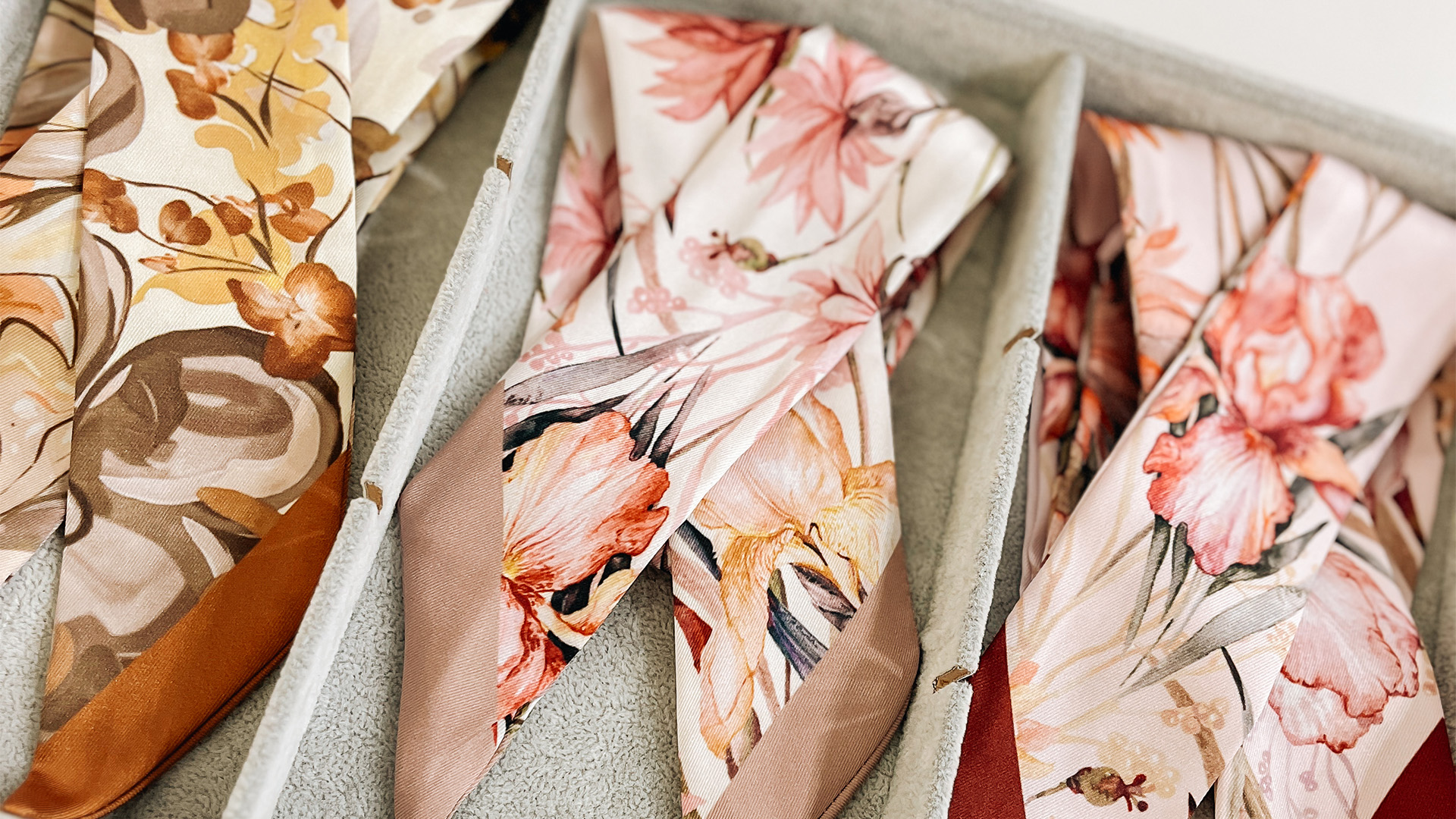
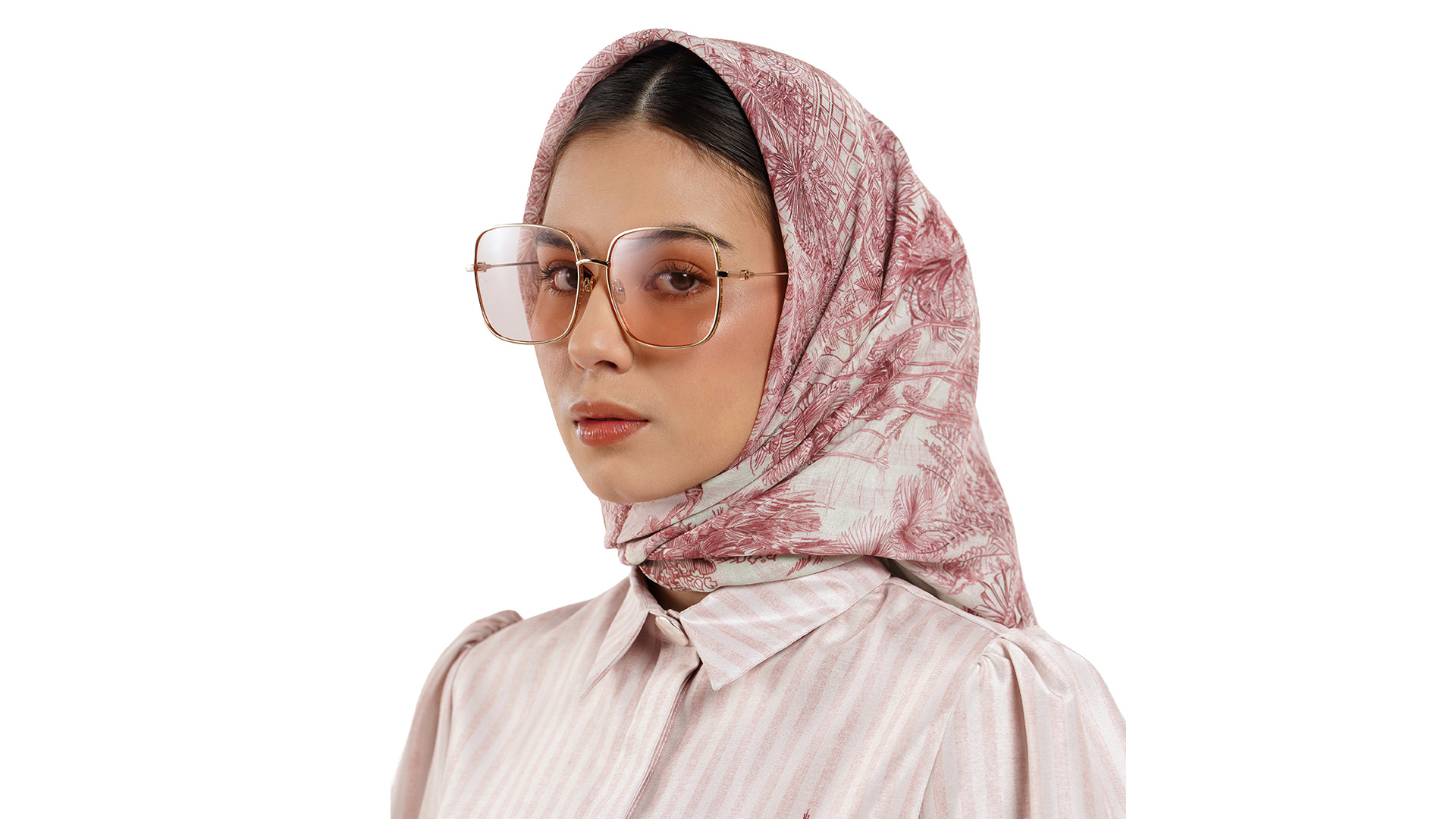
A scarf is a piece of fabric typically used as a fashion accessory. Its shapes vary, ranging from rectangular to square, and it can be worn in multiple ways.
Scarves can be worn around the neck, on the head, over the shoulders, or even tied to a bag to enhance the look. In the fashion world, scarves are one of the most flexible elements because they can be matched with various clothing styles.
In some countries, scarves also serve as protection against cold weather. However, generally, scarves are more associated with style enhancement than covering aurat.
Definition of Hijab
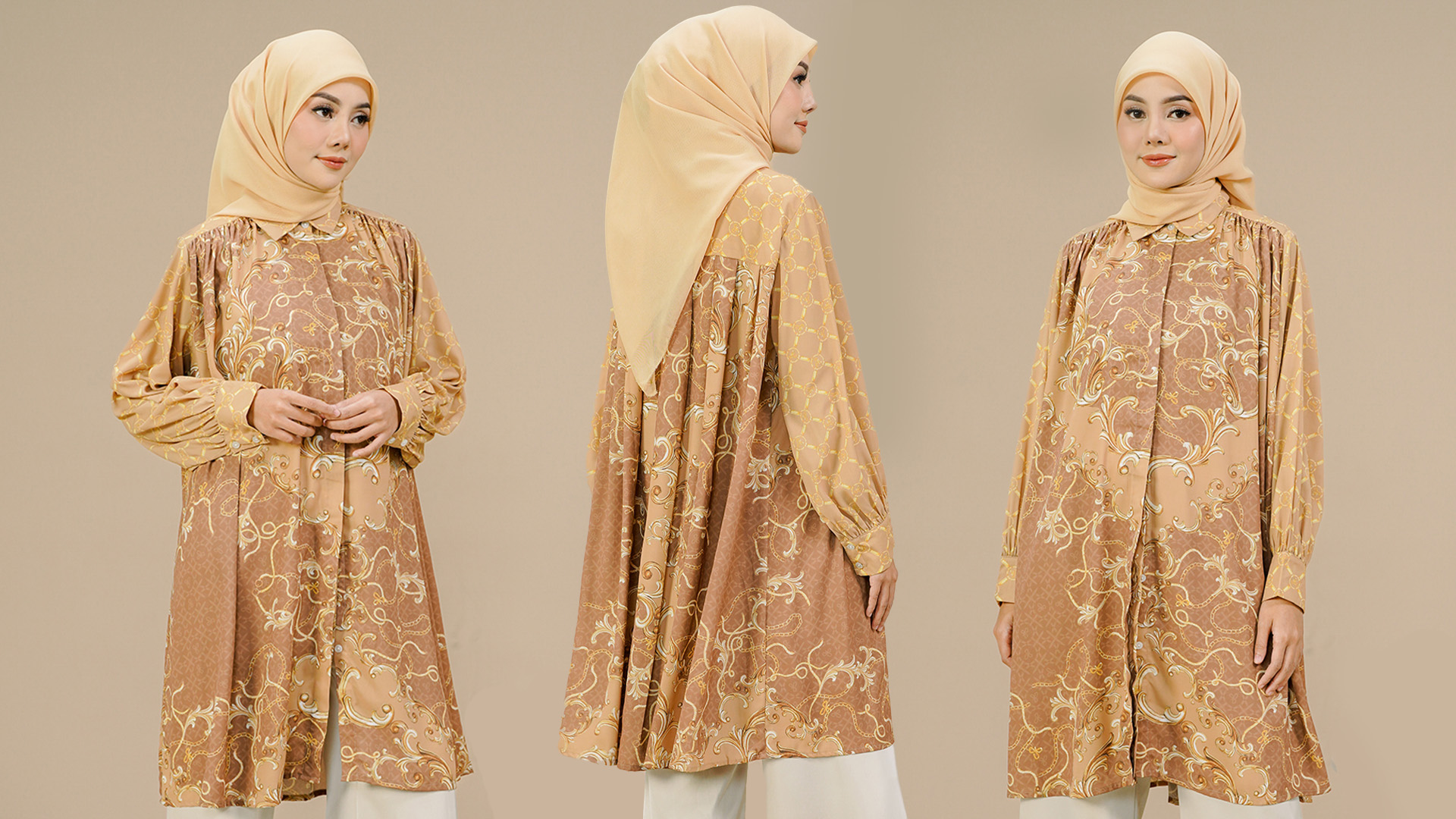
Hijab has a broader meaning than a scarf. Terminologically, hijab refers to a head covering worn by Muslim women to cover their aurat in accordance with Islamic teachings.
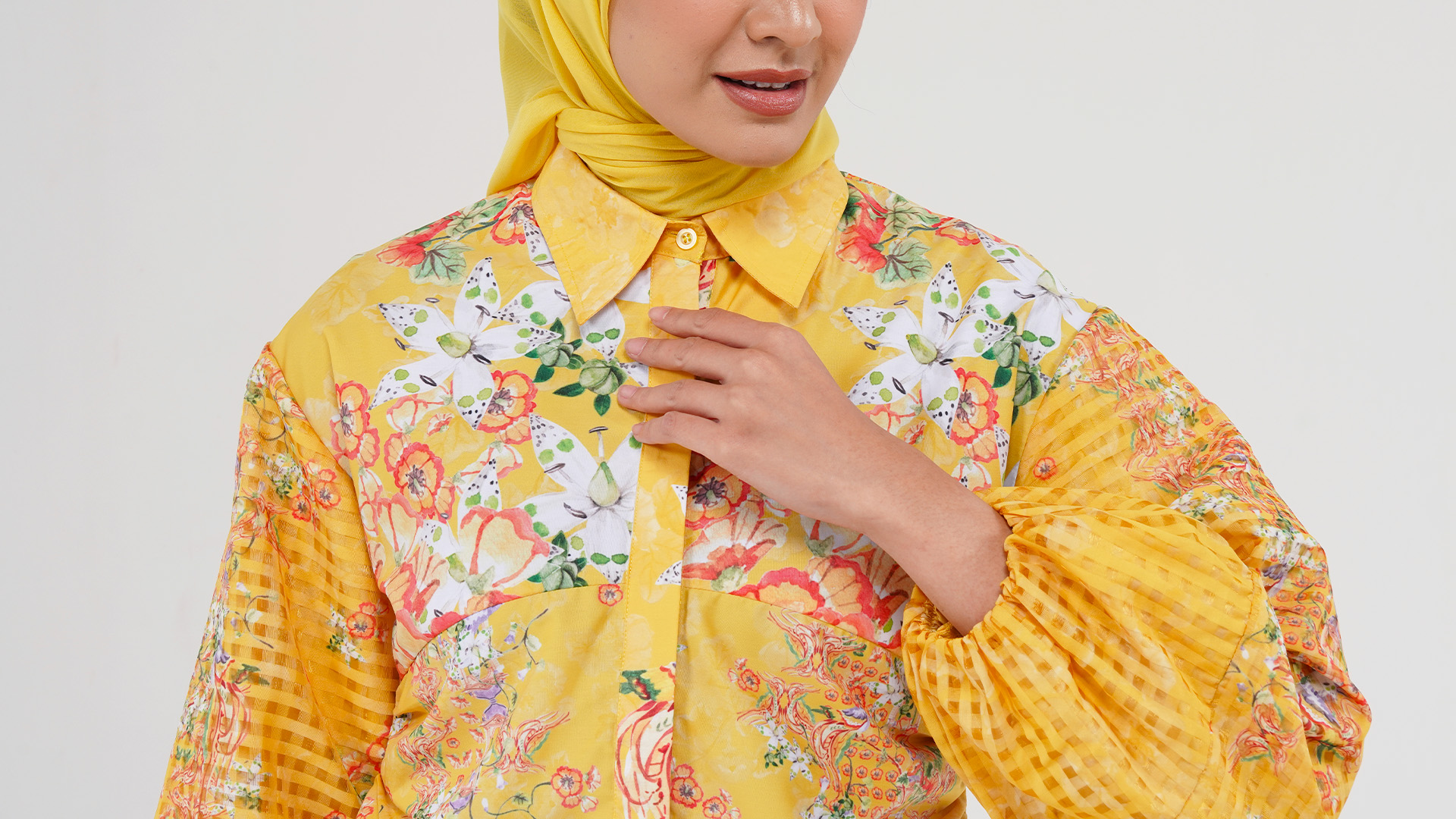
Modern hijab styles vary widely, from instant hijabs, pashmina, to square scarves. Beyond its religious function, hijab has also become part of the ever-evolving Muslim fashion trend.
Hijabs are usually designed to be comfortable for all-day wear, taking into account the choice of material, size, and model. This differentiates hijab from scarves, which are more universal.
Main Differences Between Scarf and Hijab
Function and Usage
The most noticeable difference is in their primary function. Scarves are more often used as fashion accessories or style complements. Meanwhile, hijabs serve as a covering for aurat according to Islamic law, though they can also be combined with fashion styles.
Size
Scarves are usually relatively smaller, just enough to wrap around the neck or use as decoration. Hijabs tend to be larger to cover the head, neck, and chest as needed. This size difference is important because it directly affects how they are worn and the comfort level.
Materials Used
Scarves are generally made from lightweight fabrics such as satin, chiffon, silk, or thin wool. The main focus of scarves is visual appeal, so there are many options with eye-catching patterns and colors. Hijabs, on the other hand, are usually made from materials more comfortable for daily wear, such as voal, cotton, or jersey. This material distinction shows that scarves lean toward being accessories, while hijabs emphasize function and comfort.
Recommended Scarf and Hijab Printing Services
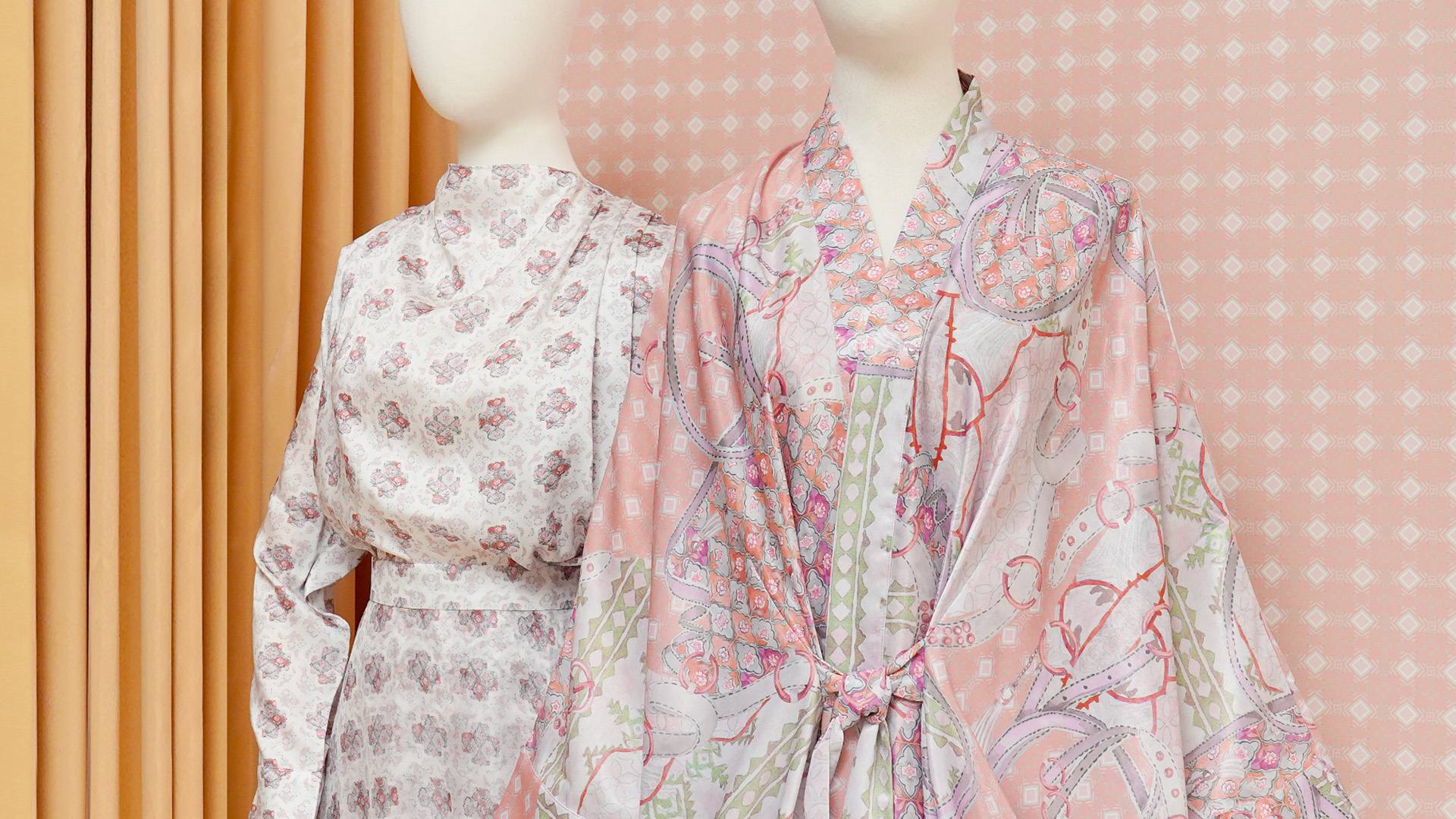
For those who need scarves or hijabs with custom designs, Aliatex’s scarf and hijab printing services are an excellent choice.
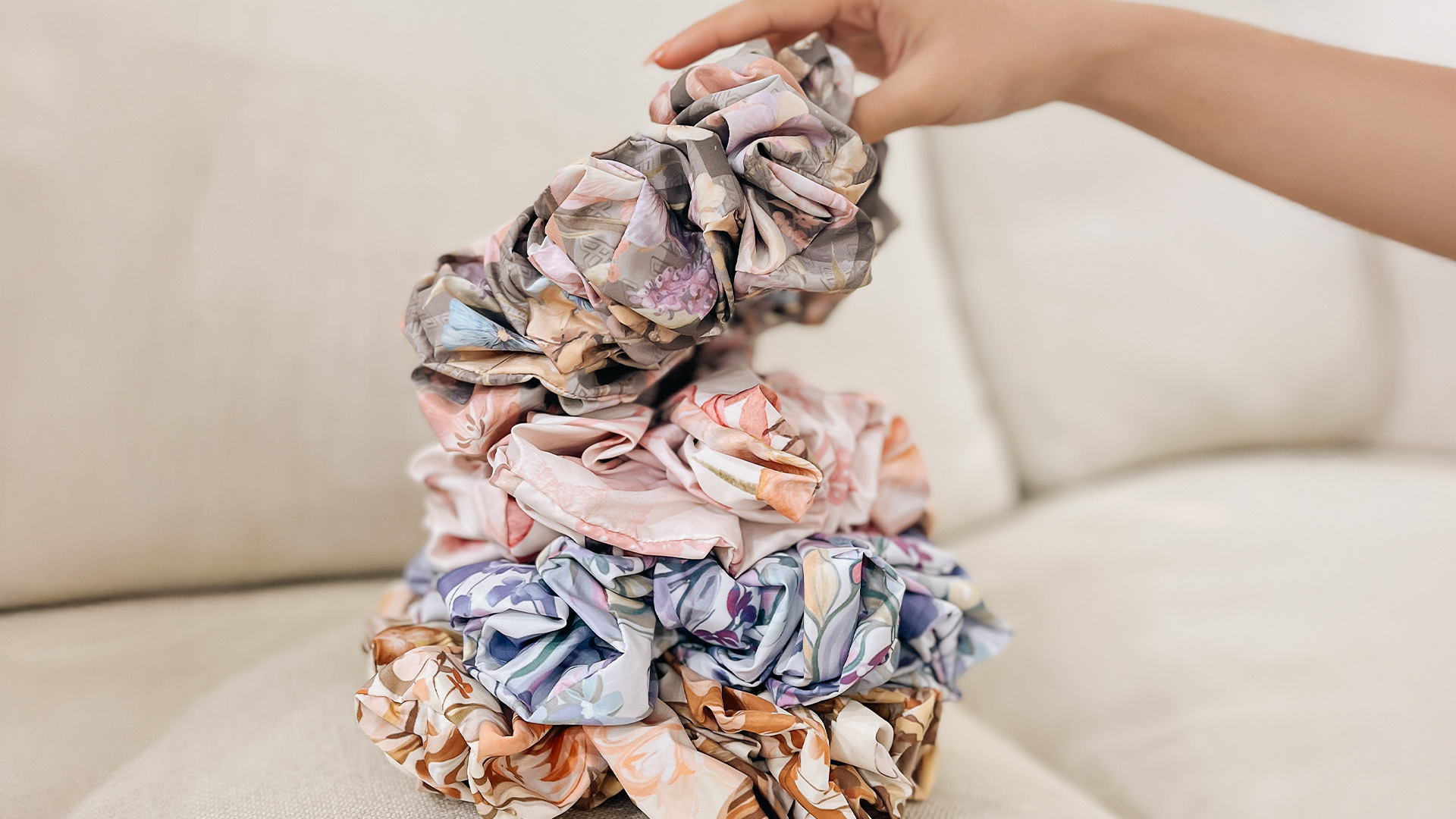
With modern printing technology, Aliatex can produce sharp colors, detailed motifs, and fabrics that are comfortable to wear. These services are suitable for personal use as well as fashion brands looking to offer exclusive collections.
In addition to scarves and hijabs, Aliatex also provides high-quality printing services for other fabrics. The prints produced by Aliatex have strong color retention and are made from quality materials, ensuring comfort for various activities.
From the explanation above, it can be concluded that the difference between scarves and hijabs lies in their function, size, and materials used. Scarves emphasize fashion, while hijabs prioritize religious function as well as comfort for daily activities.
If you are looking for a trusted partner for printing scarves, hijabs, bandanas, or other fabric products, Alia Digital Printex is the best choice. As a supplier and fabric, hijab, and mukena manufacturer, Alia Digital Printex is committed to providing high-quality products with professional services.