

Choosing the right fabric for fashion products can be a major factor in determining the quality and comfort of clothing. Two commonly compared fabrics are nylon and polyester.
Although both are synthetic fibers, the differences between nylon and polyester are significant and should be understood before deciding which is best for clothing designs or production, such as gamis, hijabs, or mukenas.
To avoid choosing the wrong material, this article discusses the characteristics of each, compares them across several aspects, and provides recommendations for your fashion needs.
What is Nylon?
Nylon is a man-made fiber first developed in the late 1930s. It is known for its smooth texture, lightweight feel, and high elasticity.
Nylon is often used for products that require flexibility and extra comfort, such as underwear, socks, and sportswear. Its soft feel and slightly glossy appearance make it look elegant while remaining durable for long-term use.
What is Polyester?
Polyester is one of the most widely used synthetic fibers today. It is known for its strength, durability under various weather conditions, and ability to retain shape.
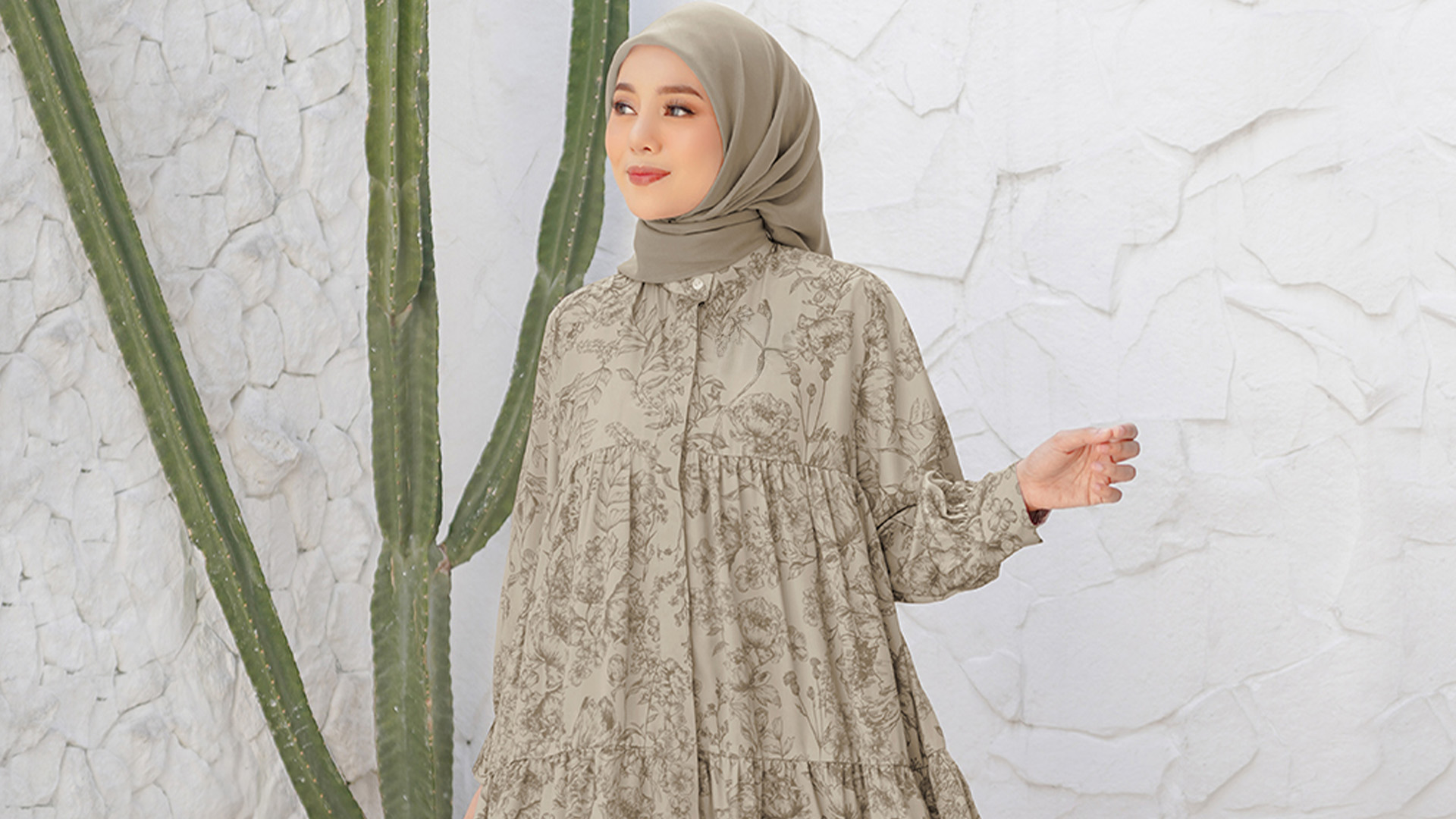
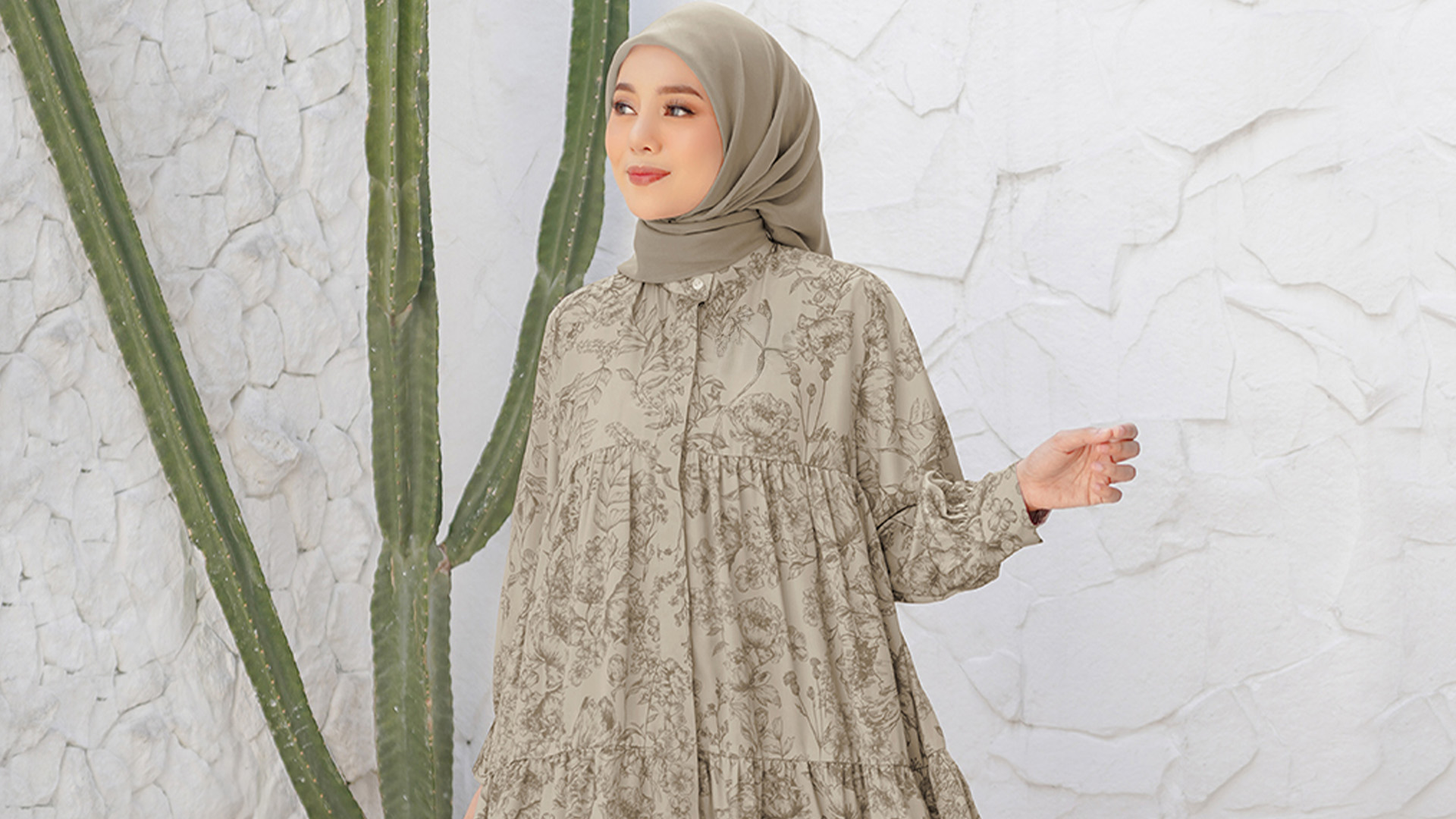
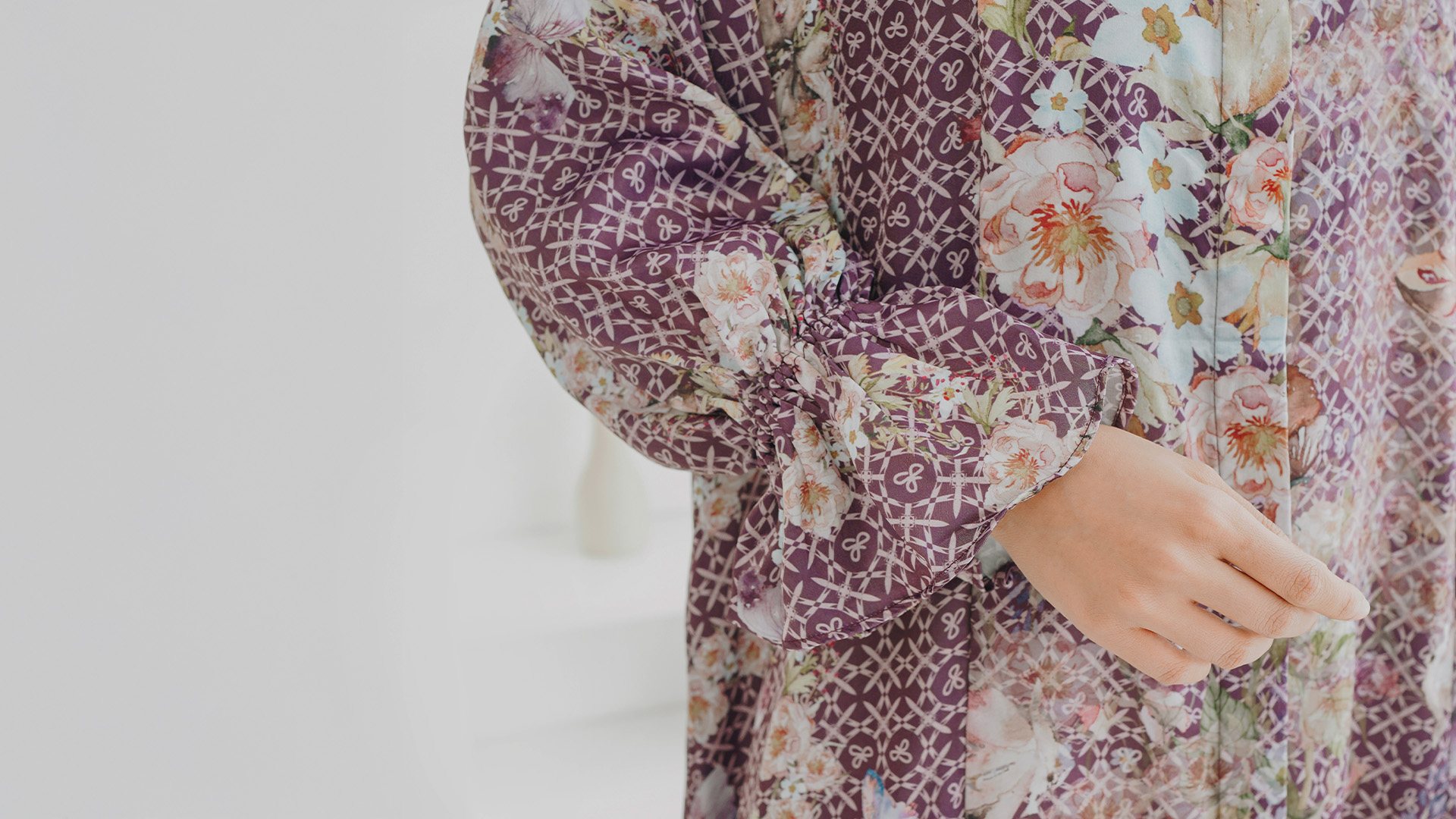
Polyester does not absorb water, so it dries quickly and is ideal for outdoor clothing or everyday fashion. In addition, polyester works very well for fabric printing, making it a favorite for patterned gamis, printed hijabs, and other modern Muslim fashion garments.
Key Differences Between Nylon and Polyester
Texture and Appearance
Nylon has a softer and smoother texture with a glossy look, whereas polyester tends to feel rougher with a matte finish. Your choice will depend on the type of fashion product you want to create—whether you want it elegant and lightweight or sturdy and long-lasting.
Absorbency and Comfort
Nylon absorbs water better, providing a cooler and more comfortable feel in hot weather. Polyester, on the other hand, absorbs almost no water but excels in quick-drying and odor resistance.
Strength and Elasticity
Nylon is more elastic and flexible, ideal for garments that require free movement. Polyester is stiffer but stronger, suitable for products that need to maintain shape and durability.
Heat and UV Resistance
Polyester is more resistant to sunlight and high heat, making it more durable for outdoor use. Nylon can yellow or degrade with prolonged UV exposure, making it less suitable for outdoor clothing or activities under direct sunlight.
Price and Market Availability
Polyester is more readily available and generally more economical than nylon. For mass production, polyester offers greater cost efficiency and wider availability.
Which is More Suitable for Your Fashion Products?
For fashion needs, especially Muslim clothing like gamis and hijabs, polyester is the preferred choice. It supports fabric printing with sharp, long-lasting colors, is easy to shape, wrinkle-resistant, and practical for daily care.
If the product emphasizes maximum flexibility and comfort, such as underwear or activewear, nylon can be an alternative. However, for primary needs like printed hijabs or patterned gamis, polyester remains the most recommended material.
Understanding the differences between nylon and polyester is essential before starting fashion production. Nylon excels in softness and elasticity, while polyester is stronger, quick-drying, and suitable for various fabric printing applications.
For those seeking high-quality polyester for gamis, hijabs, or mukenas, Aliatex is the best solution. Aliatex offers a wide range of polyester fabrics used by many fashion brands to produce elegant, comfortable, and durable Muslim garments.