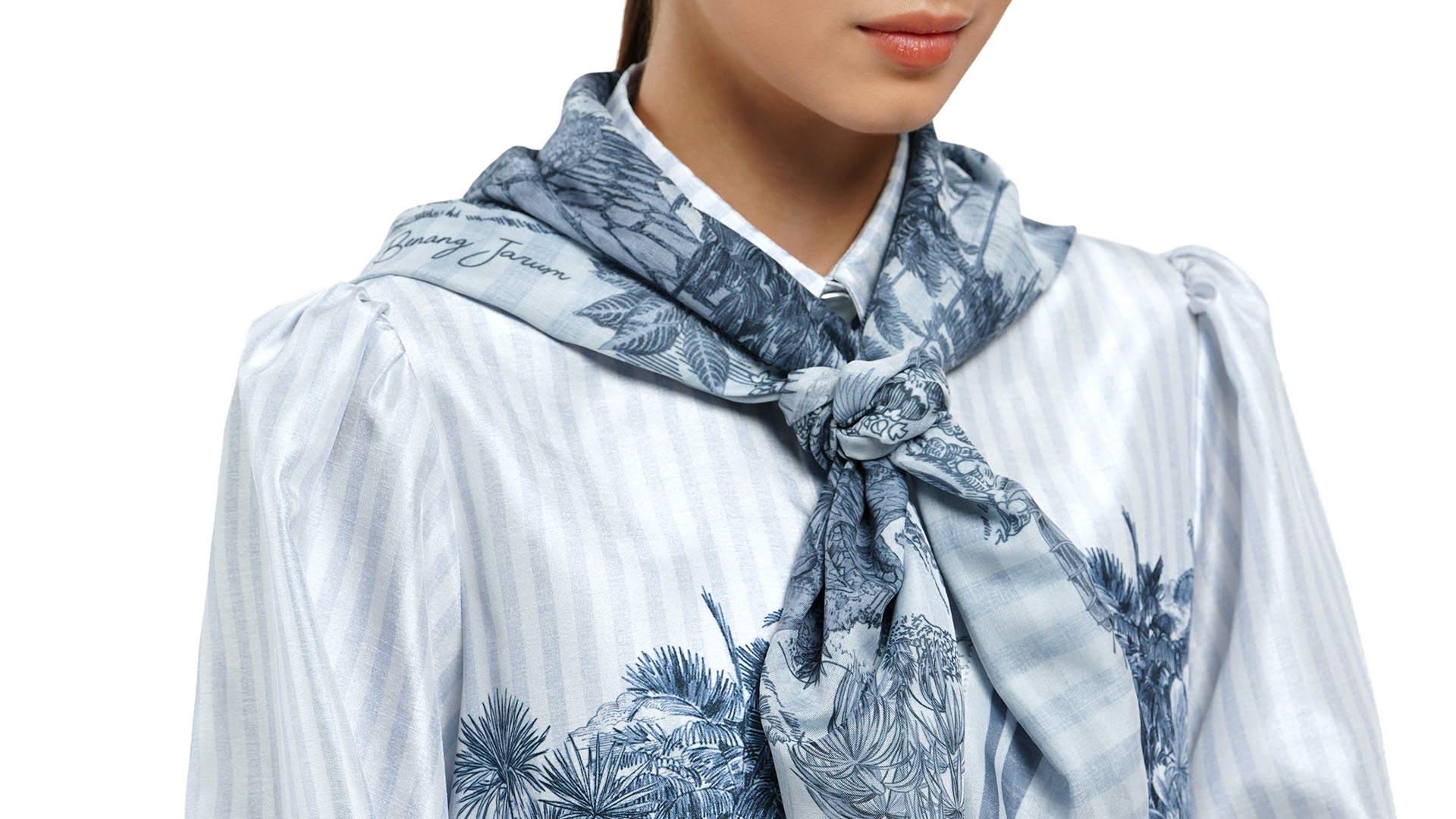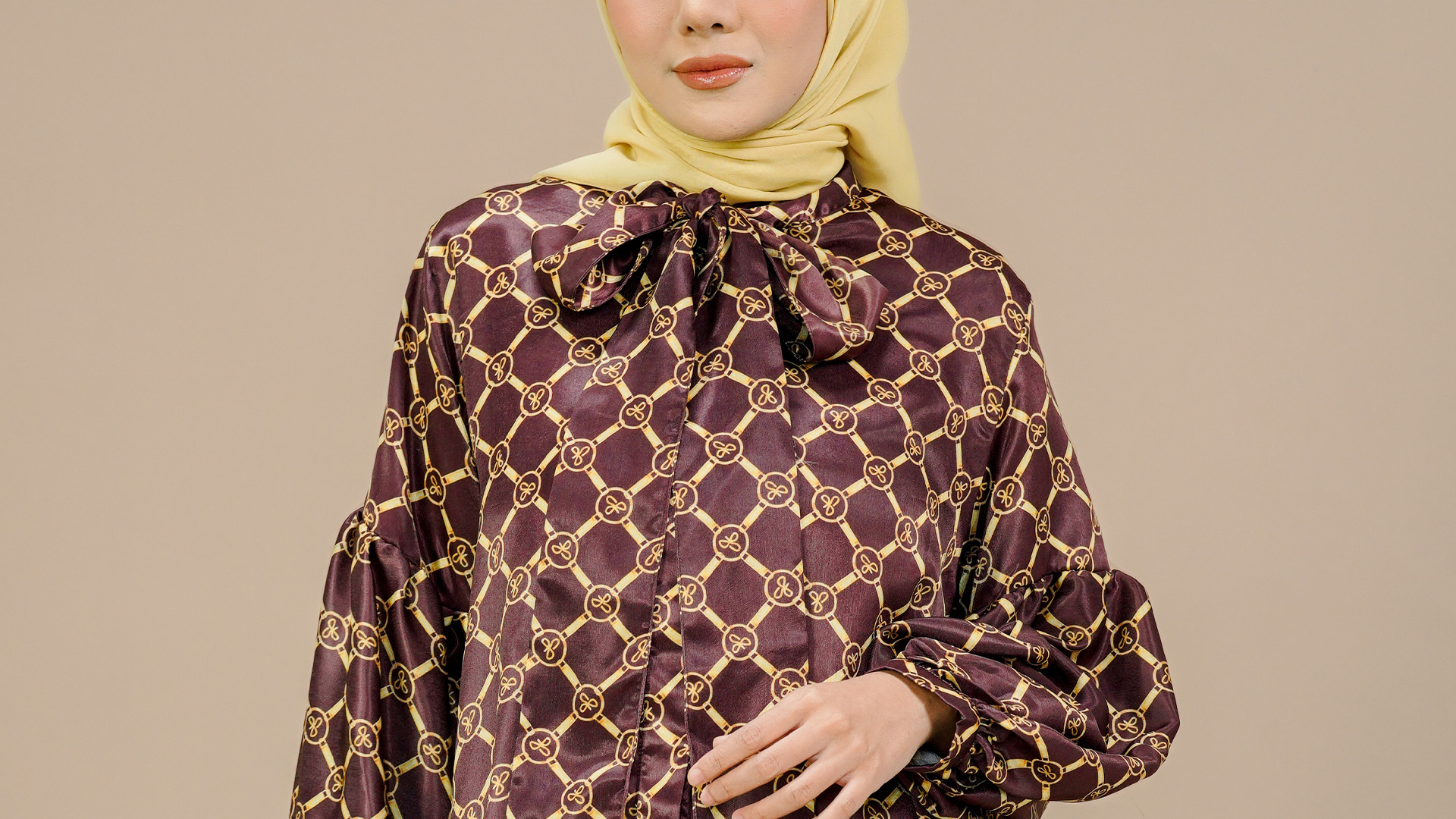


The difference between satin and silk fabrics can be confusing, especially for fashion industry players and clothing enthusiasts. Both fabrics are known for their luxurious, smooth, and elegant appearance.
However, they have very different characteristics in terms of raw material, texture, and care requirements. Understanding these differences is crucial to choosing the fabric that best suits your fashion needs, including hijabs, dresses, or even mukenas.
This article provides a complete overview of satin and silk fabrics, their differences, and recommendations for which is more suitable for modern fashion and hijabs.
What is Satin Fabric?
Satin is a type of fabric made using a special weaving technique that produces a glossy surface on one side and a matte finish on the other. Satin’s base material can come from polyester, nylon, or silk.
Due to its weaving process, satin feels smooth and appears highly shiny, making it popular for party dresses, evening gowns, and formal hijabs.
The advantage of satin is its luxurious visual appeal at a relatively affordable price compared to silk. Satin is also widely available in various colors and thicknesses.
What is Silk Fabric?
Silk is a natural fabric produced from the fibers of silkworm cocoons. It is recognized as one of the most luxurious and valuable fabrics in the textile world. Silk also has a natural sheen, but it is softer and less shiny than satin.
Silk allows for good air circulation, is very comfortable to wear, and feels soft against the skin. Being a natural material, it is also hypoallergenic and environmentally friendly. However, silk is sensitive and requires special care to maintain its durability.
Differences Between Satin and Silk in Fashion
Visual Appearance and Texture
The difference between satin and silk is most visible in their appearance. Satin has a glossier surface due to its weaving technique, while silk has a naturally softer, more elegant sheen.
In terms of texture, satin feels smoother on the surface, while silk feels soft and light to the touch.
Comfort When Worn
Silk excels in comfort because it is made from natural fibers that allow the skin to “breathe.” This makes it ideal for tropical climates like Indonesia.
Meanwhile, satin, especially polyester-based satin, tends to be warmer and less sweat-absorbent. For clothing worn all day, such as hijabs or blouses, silk is more comfortable.
Care and Durability
Satin is relatively easy to maintain and wrinkle-resistant, especially if made from polyester. On the other hand, silk requires special care, such as hand washing with mild soap and air drying away from direct sunlight.
However, silk can last longer if properly maintained, making it a long-term investment in fashion.
Price and Product Positioning
In terms of price, satin is more economical than silk, making it widely used for mass production and ready-to-wear fashion. Silk, on the other hand, is often found in premium fashion lines, bridal wear, and exclusive products.
Which Is More Suitable for Hijabs?
When considering satin vs. silk for hijabs, the best choice depends on the wearer’s needs. For a luxurious look at formal events with a limited budget, satin can be a suitable option.
However, for everyday hijabs that are comfortable, lightweight, and skin-friendly, silk is the best choice. Silk provides more comfort for prolonged wear, is not hot, and does not cause skin irritation. Satin, while glamorous, can sometimes feel slippery and shift easily when worn as a hijab.
Both satin and silk have their advantages. Understanding the difference between them is important so you can select the most appropriate fabric for fashion needs, whether for party dresses, hijabs, or mukenas.
For fashion industry professionals seeking quality fabric printing services, Aliatex is the right choice. Aliatex provides custom fabric printing on satin, silk, and various other materials, as well as production services for hijabs and mukenas for your fashion business needs.
With the right understanding of fabric characteristics, you can create fashion products that are not only visually appealing but also comfortable to wear and highly marketable.