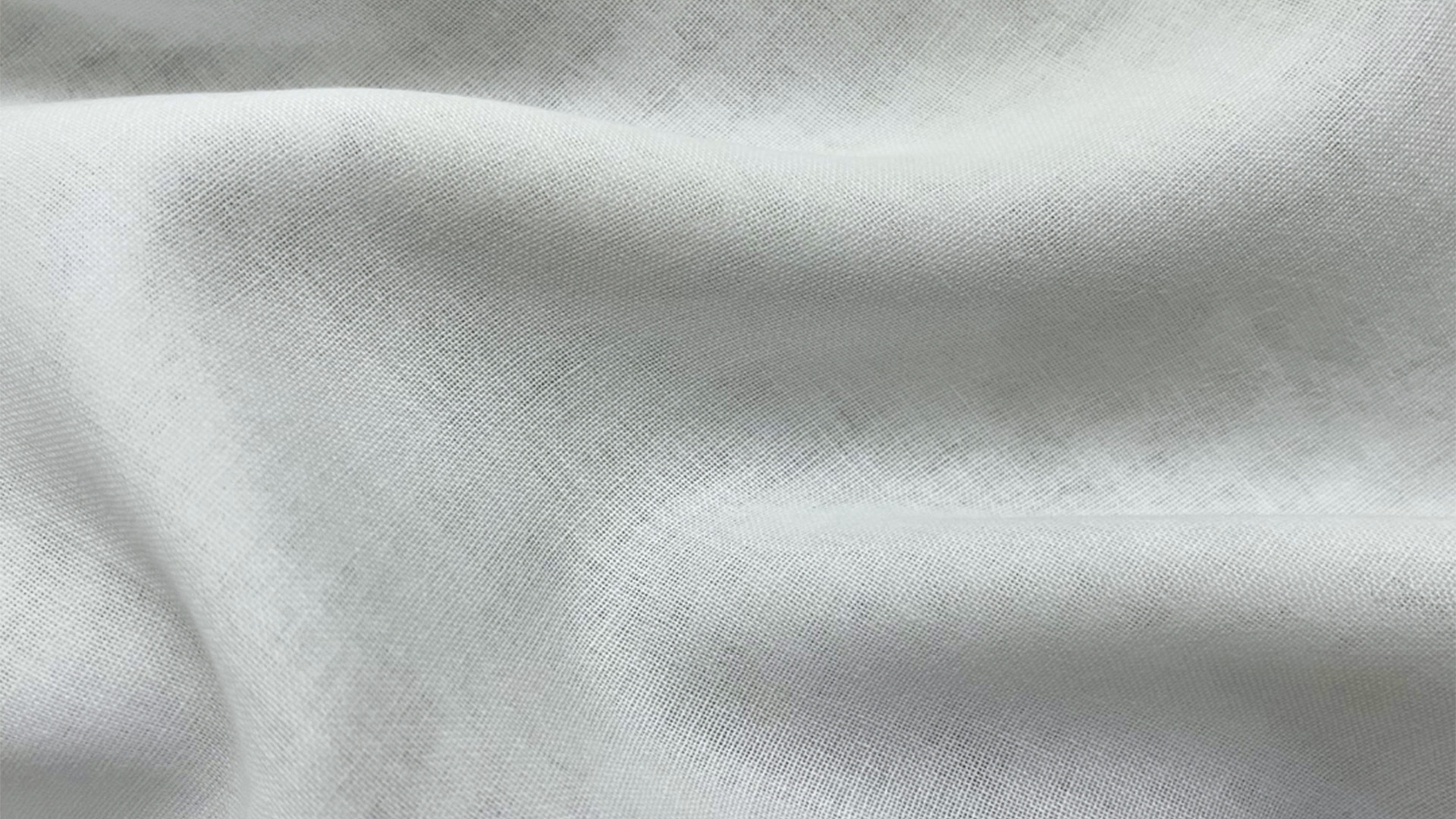


When planning mass production, choosing the right fabric is a crucial first step. One type of fabric commonly used in the fashion and textile industry is polyester.
However, before making a choice, it is important to fully understand the advantages and disadvantages of polyester to ensure production decisions are accurate and effective.
Polyester is known as a popular synthetic fabric due to its practical and versatile characteristics. Nevertheless, its use comes with considerations, particularly regarding comfort, visual appeal, and sustainability.
This article provides a complete overview of the pros and cons of polyester to help you determine if it is suitable for your mass production needs.
Advantages of Polyester for Mass Production
More Affordable and Market-Stable
One of the main reasons polyester is widely chosen is its relatively low cost. Compared to natural fabrics like cotton or silk, polyester is much cheaper and has stable availability. This makes it an ideal choice for large-scale production without compromising cost efficiency.
Easy to Maintain and Durable
Polyester has high resistance to wrinkles, fading, and mold. These characteristics make it ideal for daily wear or other textile products that require minimal care. Even after several washes, the color and shape of the fabric tend to remain intact.
Suitable for Fabric Printing
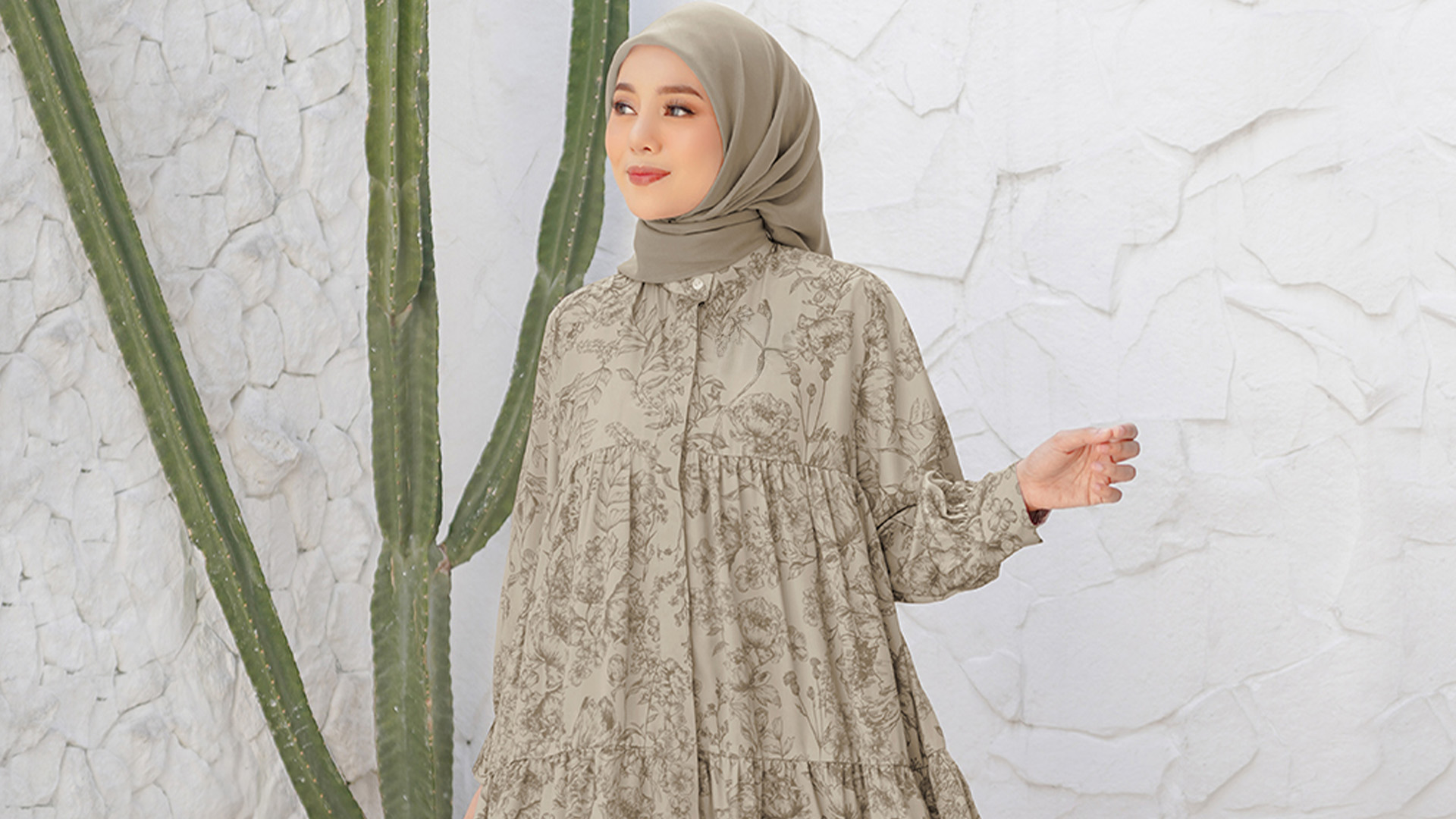
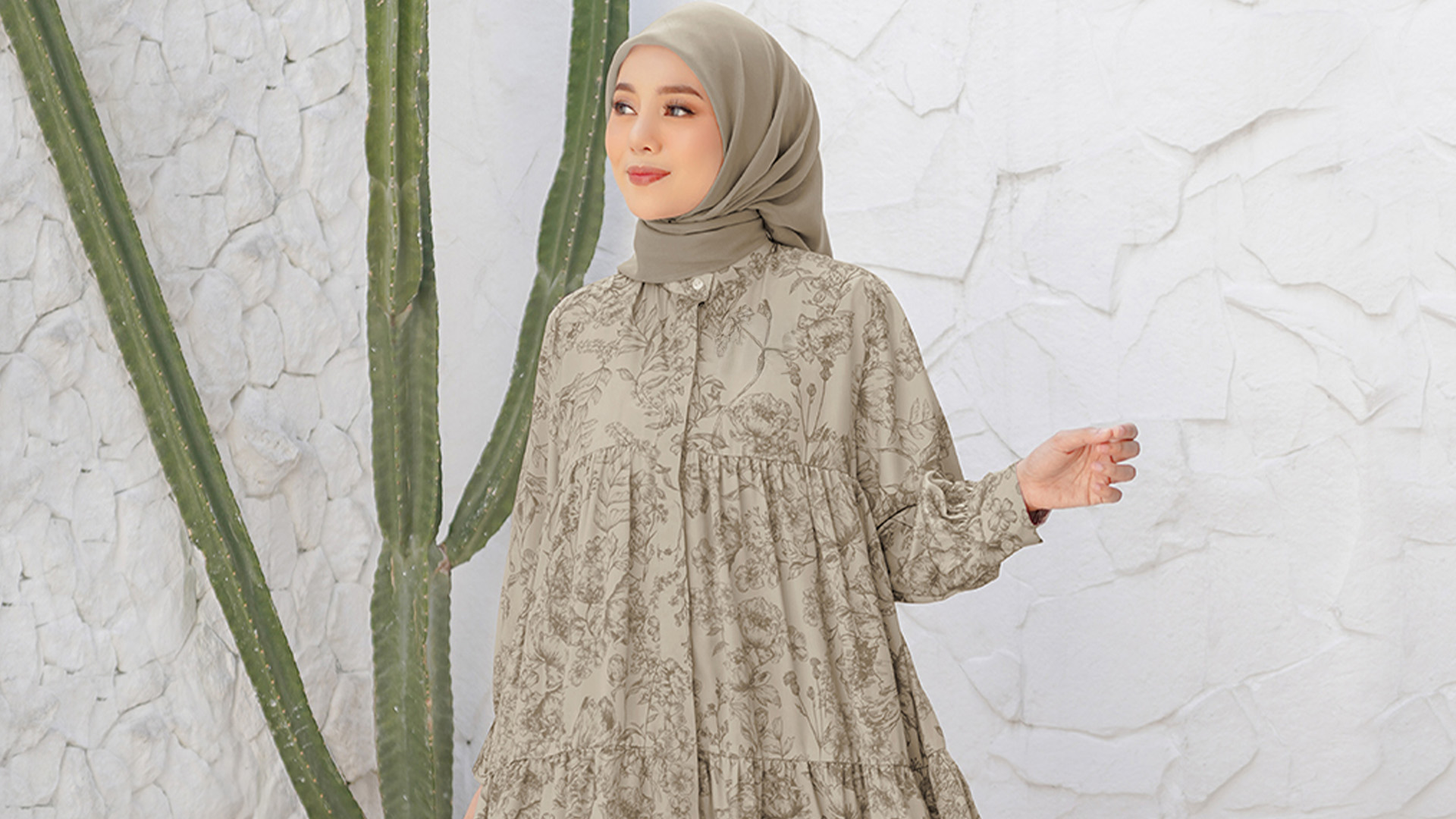
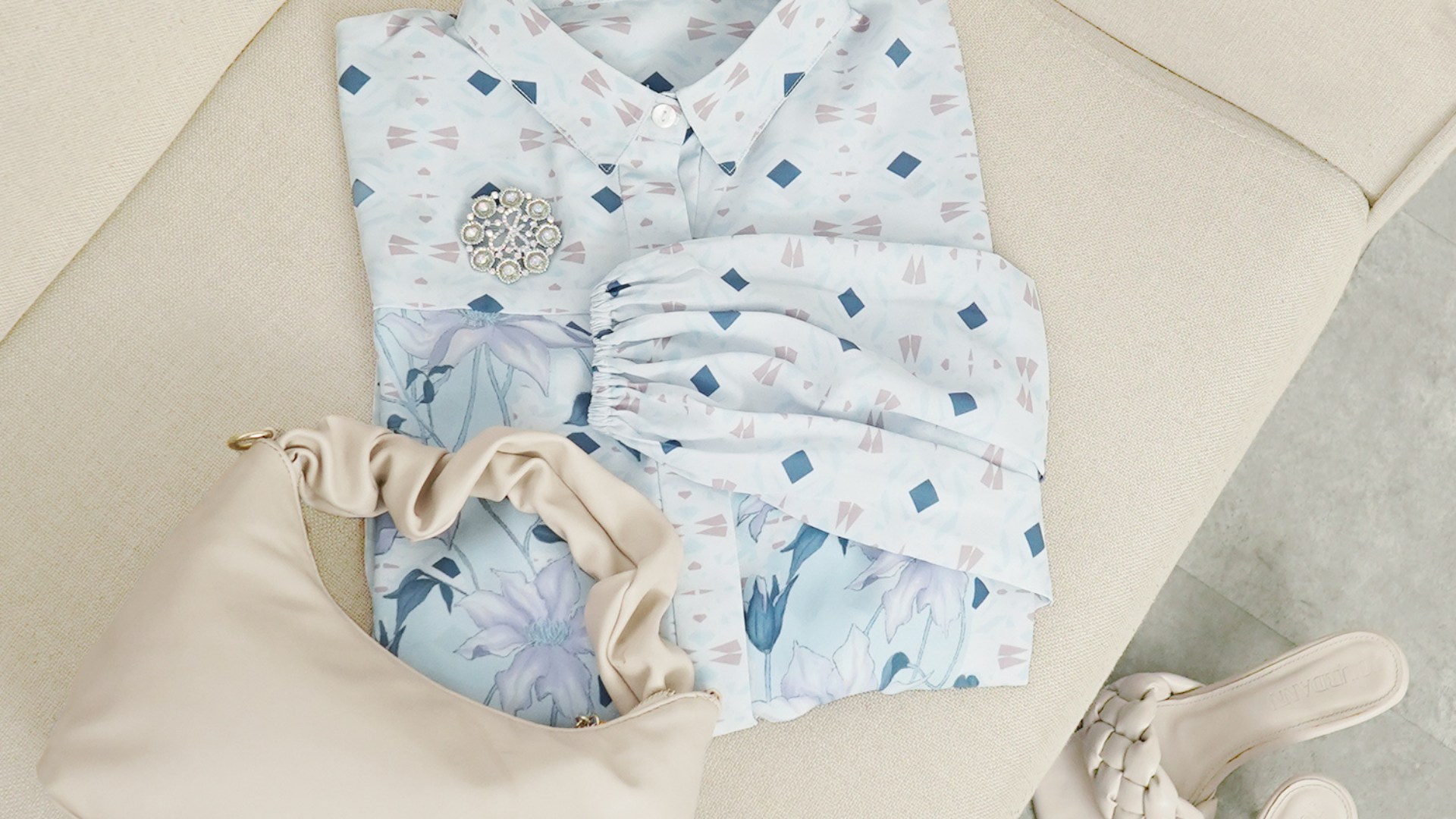
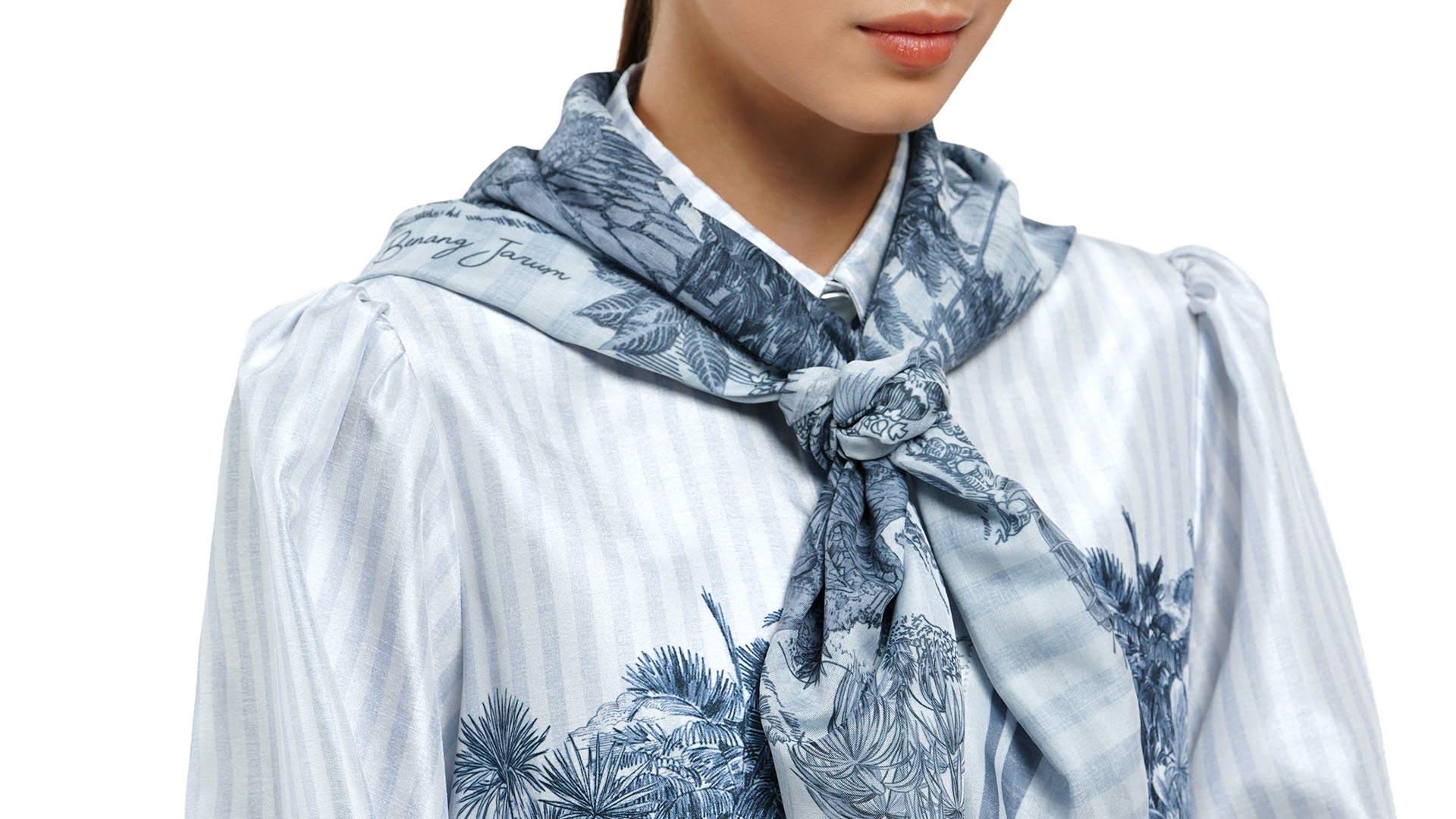
Another advantage of polyester is its excellent absorption of sublimation ink. Printing results on polyester fabrics are sharp, durable, and resistant to fading. This is why polyester is commonly used for printed hijabs, custom clothing, and fabric-based interior decorations.
Available in Many Variations
Polyester comes in various textures, thicknesses, and finishes—from silk-like fabrics to thicker, stiffer options like canvas. This variety allows designers and manufacturers to choose the type that best suits the product they want to create.
Disadvantages of Polyester to Anticipate
Poor Sweat Absorption and Can Feel Hot
A major downside of polyester is its limited ability to absorb sweat. Being a synthetic material, polyester tends to trap heat, which can feel uncomfortable, especially in tropical climates or during heavy activity.
Feels Less Luxurious Compared to Natural Fabrics
In terms of aesthetics and comfort, polyester is often perceived as less premium compared to fabrics like cotton or silk. Its texture may feel rougher or “plastic-like,” depending on the fabric grade used.
Not Environmentally Friendly if Not Recycled (rPET)
Polyester is a synthetic material made from petroleum, making it a non-renewable resource. Its production generates significant carbon emissions and waste.
Additionally, polyester is difficult to decompose naturally, contributing to environmental pollution, especially as microplastics. Every time polyester clothing is washed, it can release microplastic fibers into waterways, eventually contaminating land and marine ecosystems.
To mitigate this impact, recycled polyester (rPET) has been developed as a more eco-friendly alternative. However, non-recycled polyester is still far more common in the market. If sustainability is a production priority, consider using recycled polyester or natural fabrics that decompose more easily.
Can Look “Cheap” if the Wrong Grade is Chosen
Not all polyester is created equal. Some lower-grade fabrics may appear shiny and thin, giving an impression of being less exclusive. Therefore, selecting the right supplier and fabric grade greatly affects the final product.
After understanding the advantages and disadvantages of polyester, you can decide whether it is suitable for your product and target market. Polyester can be a smart choice for mass production if paired with the right design and grade selection.
As a trusted fabric supplier and manufacturer, Aliatex offers a wide selection of high-quality polyester fabrics for hijabs, mukenas, and other fashion products.
With an experienced team and efficient production processes, you can entrust your mass production needs to Aliatex without worrying about quality.
For the best results, make sure to select the right polyester fabric, as every detail determines the success of your product in the market. Don’t hesitate to consult the Aliatex team to get the best polyester recommendations for your production needs.