

Starting a hijab business can be a smart move, especially as Muslim fashion trends continue to grow year after year. One of the most important aspects to understand before entering this industry is the type of hijab fabric used.
Fabric selection not only determines wearer comfort but also strongly influences the overall appearance and market appeal of the product.
Several hijab fabrics have become long-time favorites among consumers due to their easy styling, breathability, and suitability for various activities. Understanding these materials and knowing how to innovate in design will give your hijab business a competitive edge.
Popular Hijab Fabrics That Remain in High Demand
In the hijab business, fabric choice is the foundation of product quality. Below are two hijab fabrics that consistently remain popular and offer strong potential as flagship products.
Voal Fabric
Voal is one of the most popular hijab fabrics across all age groups. Made from cotton-based material, voal has a soft texture while maintaining a firm structure. Its main advantages include being lightweight, breathable, and wrinkle-resistant—making it ideal for daily wear.
Voal is also easy to style, which makes it suitable for both square hijabs and pashminas. Many well-known hijab brands use voal as their primary material because it delivers a simple yet elegant final look. For business owners, voal is an excellent choice for casual to formal hijab collections.
Viscose Fabric
Viscose is a semi-synthetic fabric made from plant-based cellulose fibers. It is known for its softness and natural sheen, often resembling silk. Hijabs made from viscose are perfect for consumers who want a luxurious appearance without sacrificing comfort.
Another key benefit of viscose is its excellent moisture absorption, making it suitable for hot climates or active daily routines. Viscose is also highly compatible with dyeing and printing techniques, making it an ideal option for patterned or exclusive hijab designs.
How to Innovate in the Hijab Business
To stay competitive in a crowded Muslim fashion market, innovation is essential. Innovation goes beyond fabric selection—it also includes design creativity and production techniques.
1. Use Unique and Relevant Designs
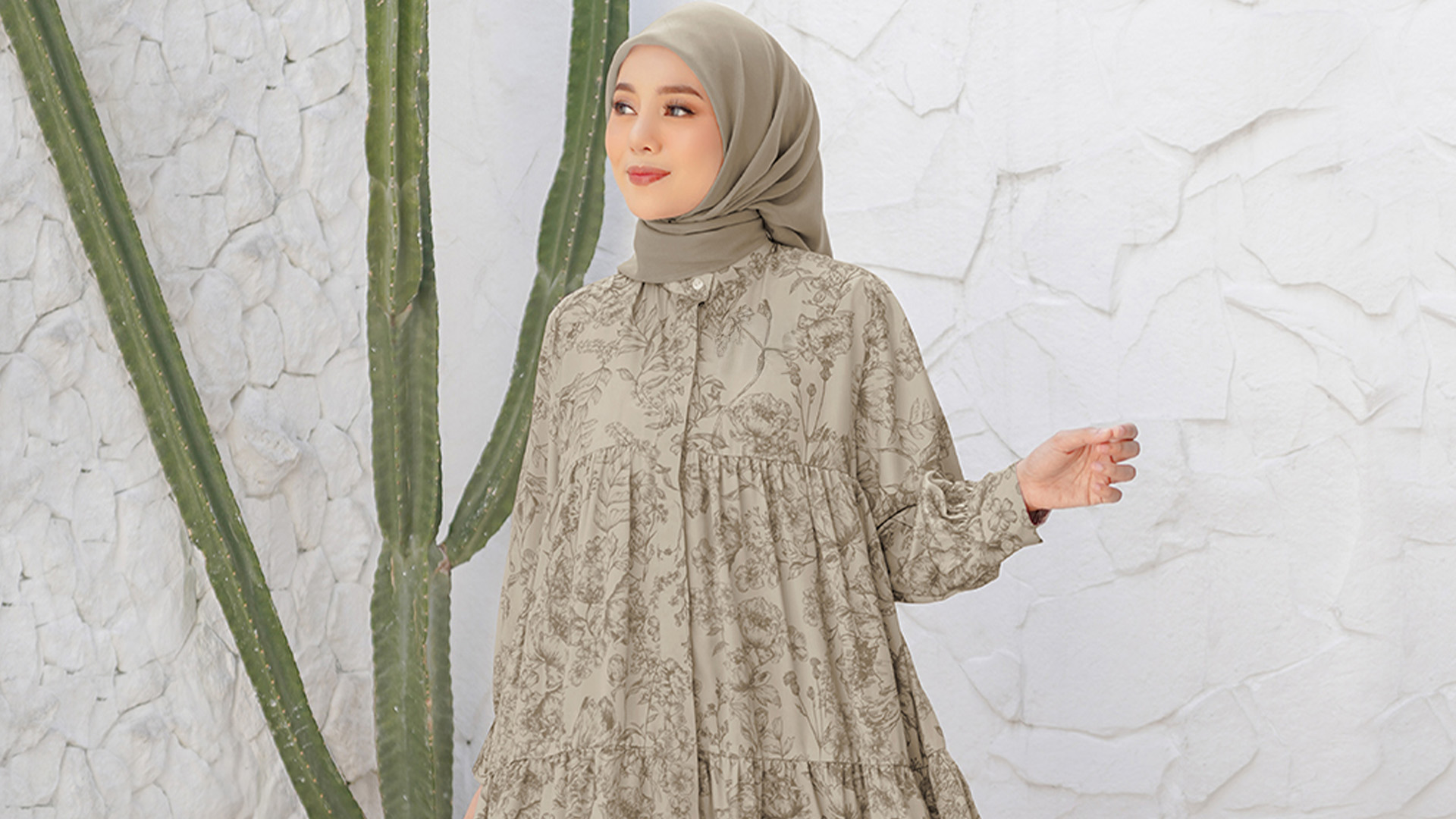
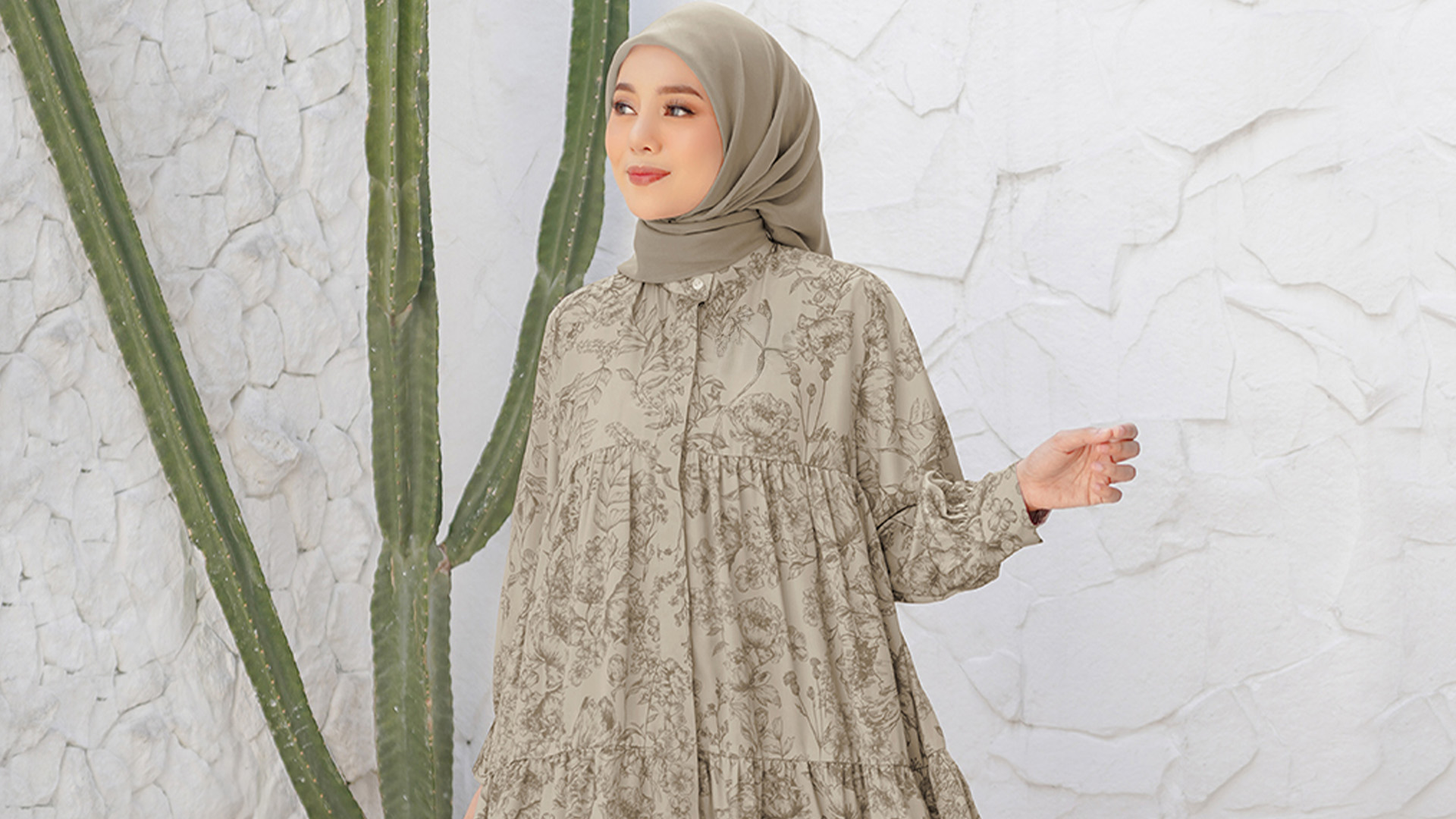
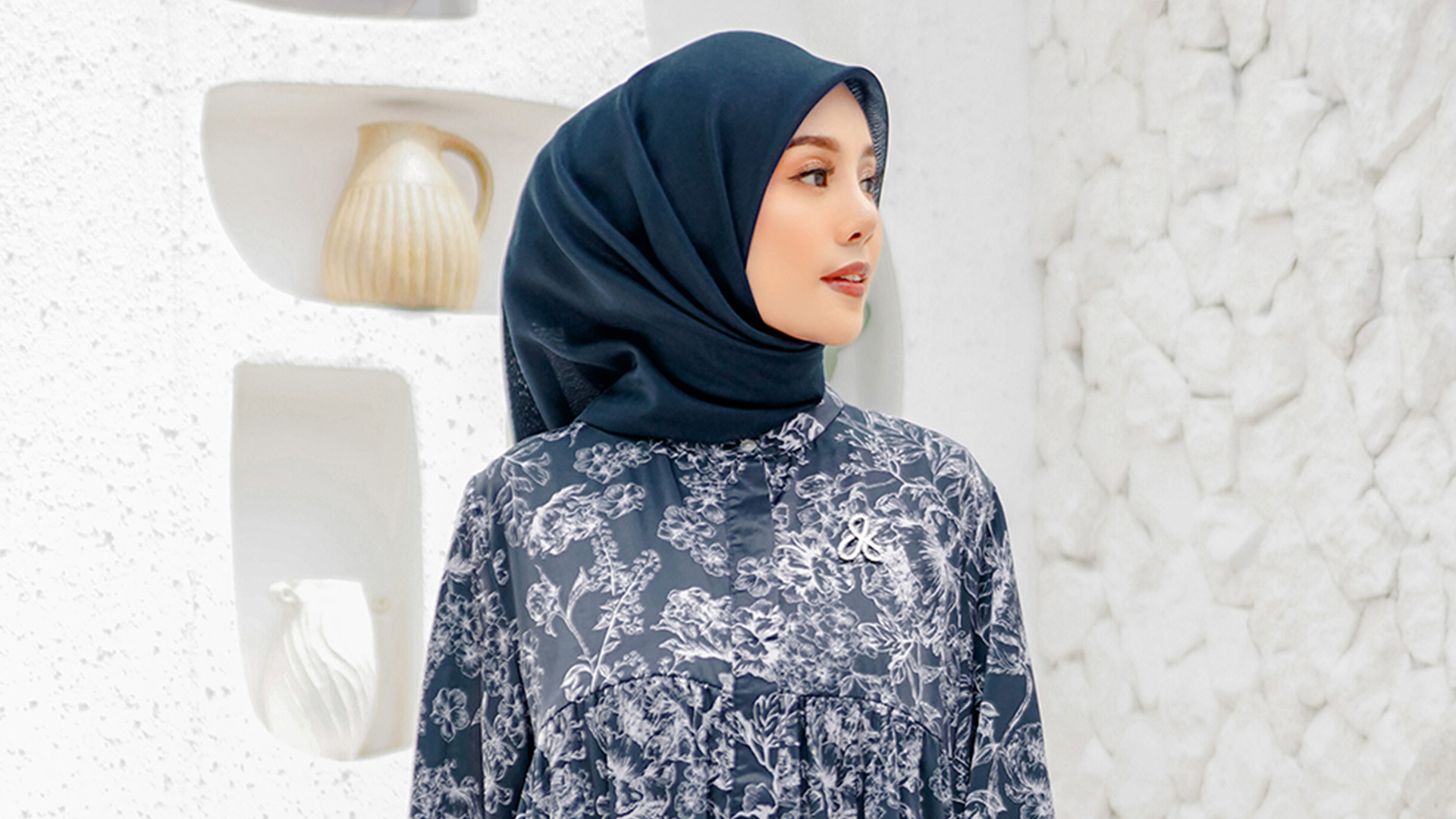
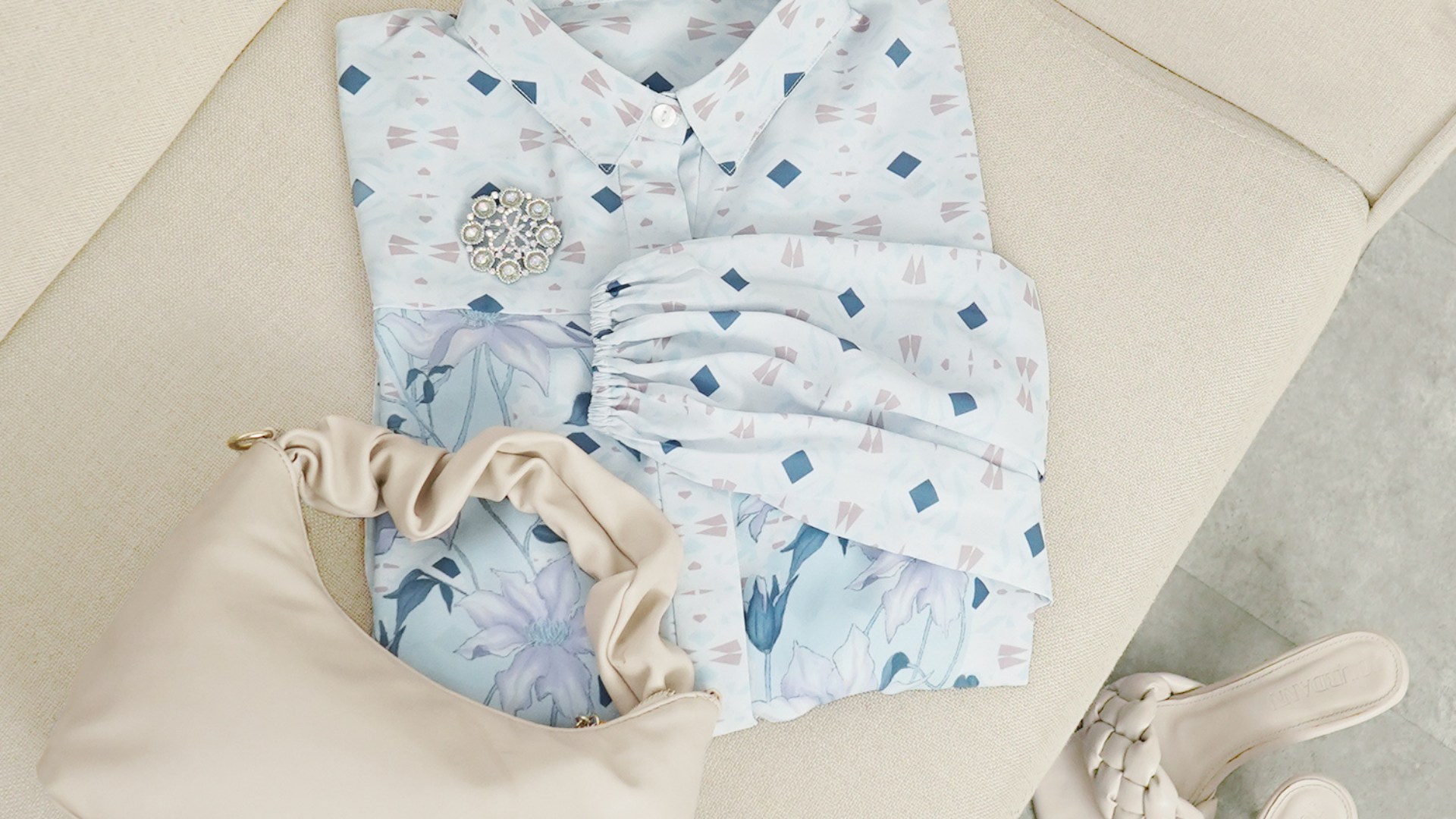
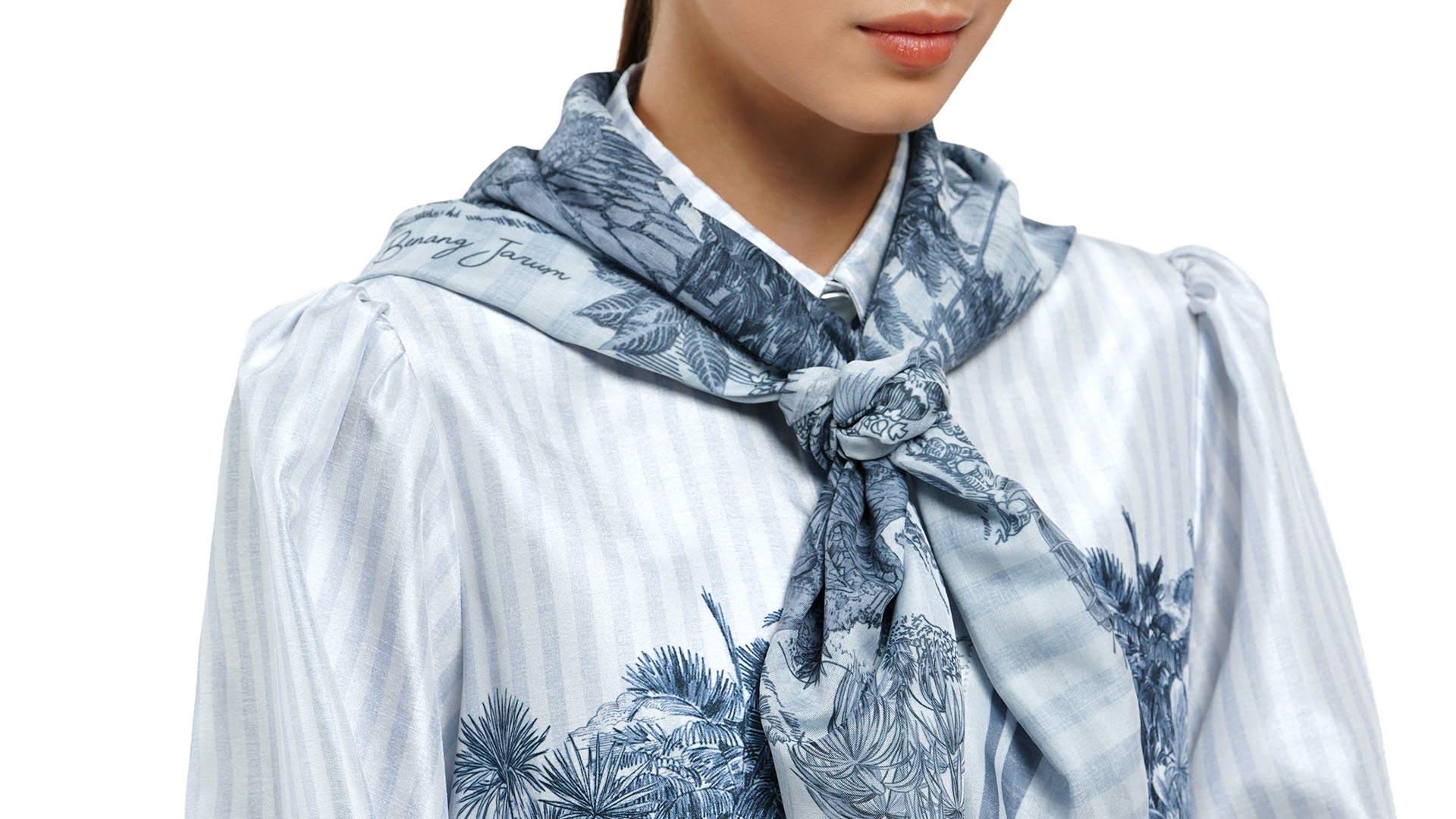
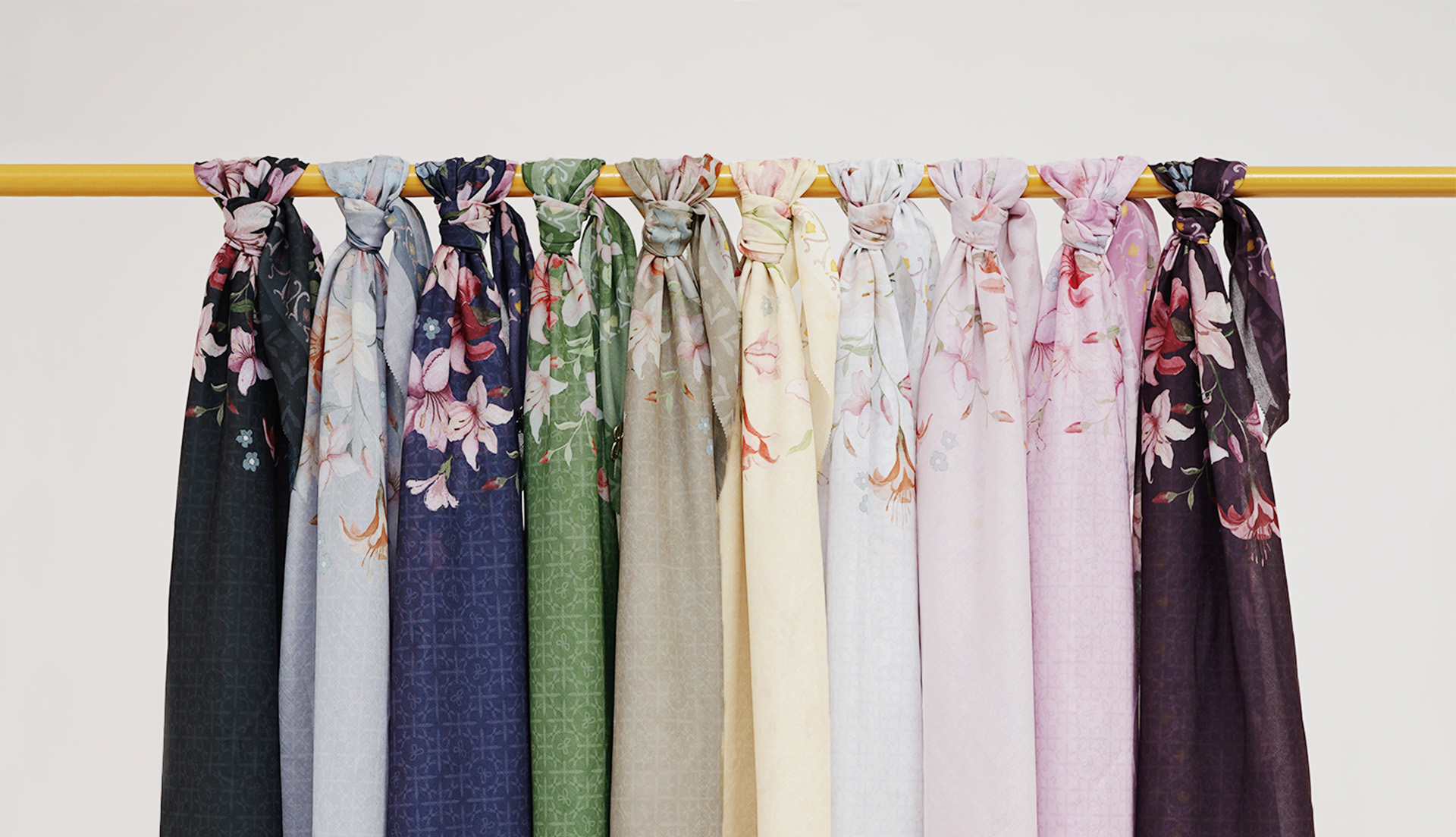
Attractive hijab designs can be a key differentiator in the market. Business owners can experiment with floral, geometric, or ethnic patterns that align with current trends. Designs should still reflect the elegance and modesty that define Muslim fashion.
It’s also important to consider market preferences, such as trending color palettes, popular hijab sizes, and current styling trends among hijab wearers.
2. Partner with a Trusted Hijab Printing Service
If you plan to offer patterned hijabs, working with a reliable hijab printing service is highly recommended. Print quality greatly affects the overall appearance of the product. Make sure the fabric supports printing well so that colors remain vibrant and do not fade easily, even after repeated washing.
Modern printing technology also allows hijab brands to create custom and exclusive designs that competitors don’t have. This exclusivity can become a strong selling point for consumers looking for something unique and distinctive.
Build a Competitive Hijab Business with the Right Partner
Understanding popular hijab fabrics such as voal and viscose is a strategic first step in building a successful hijab business. Each fabric offers different advantages, yet both are widely loved for their comfort and elegant appearance.
To stay competitive, don’t hesitate to innovate through unique designs and high-quality printing techniques. Choosing a trusted production partner is equally important.
Aliatex is a reliable manufacturer and supplier for fabric, hijabs, and mukena. With extensive experience and premium material quality, Aliatex is well-positioned to support the growth of a successful and sustainable hijab business.