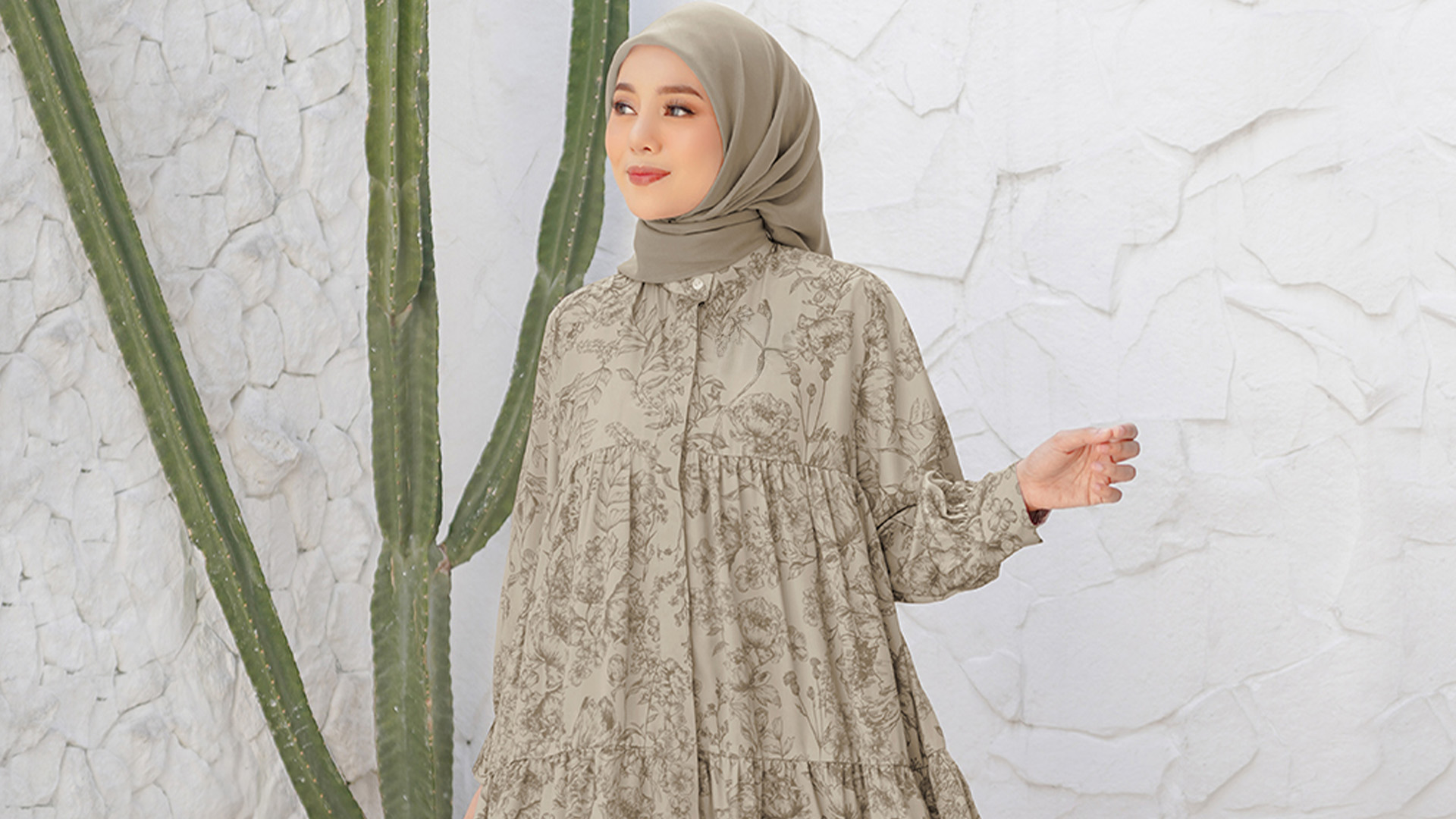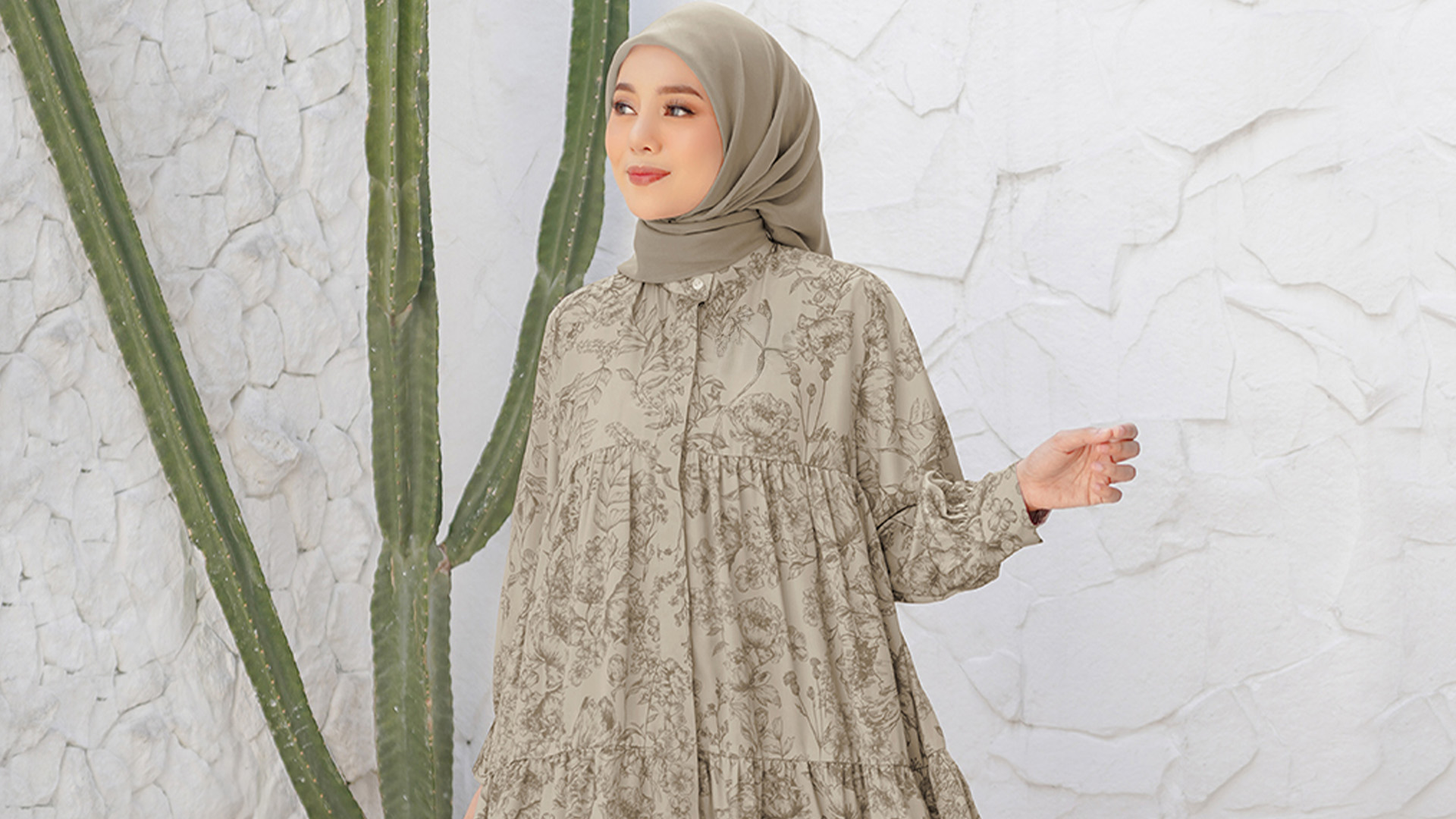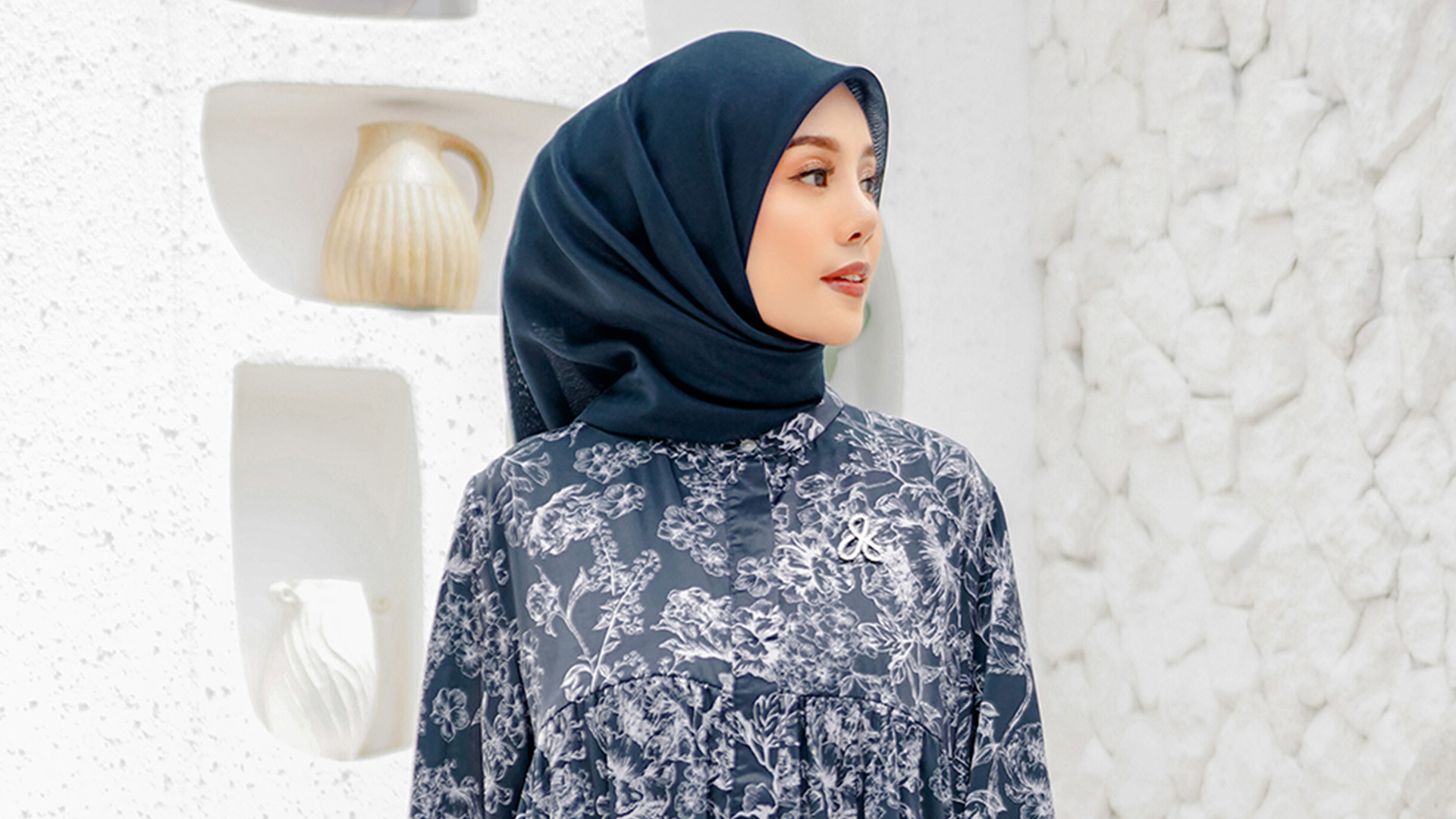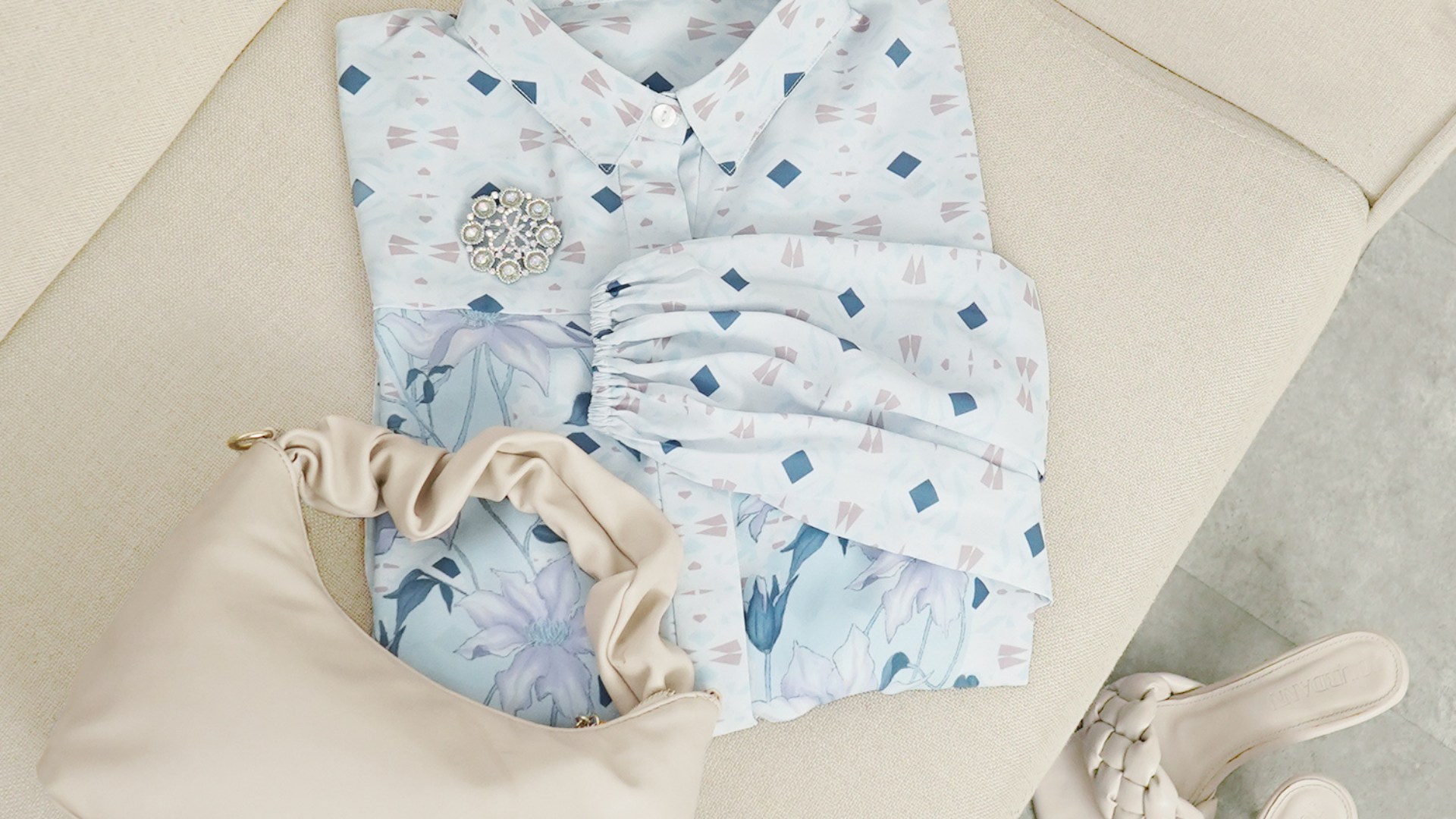


In the fashion industry, fabric selection is a crucial step that determines comfort, appearance, and durability of the final product. One popular material for hijabs, gamis, and mukenas is satin. However, not all satin fabrics are created equal.
To achieve satisfying product results, it is important to choose good-quality satin in terms of appearance, texture, and color fastness. Selecting high-quality satin also greatly affects the final output, especially if the product undergoes fabric printing.
Why Choosing Good Satin Fabric is Important
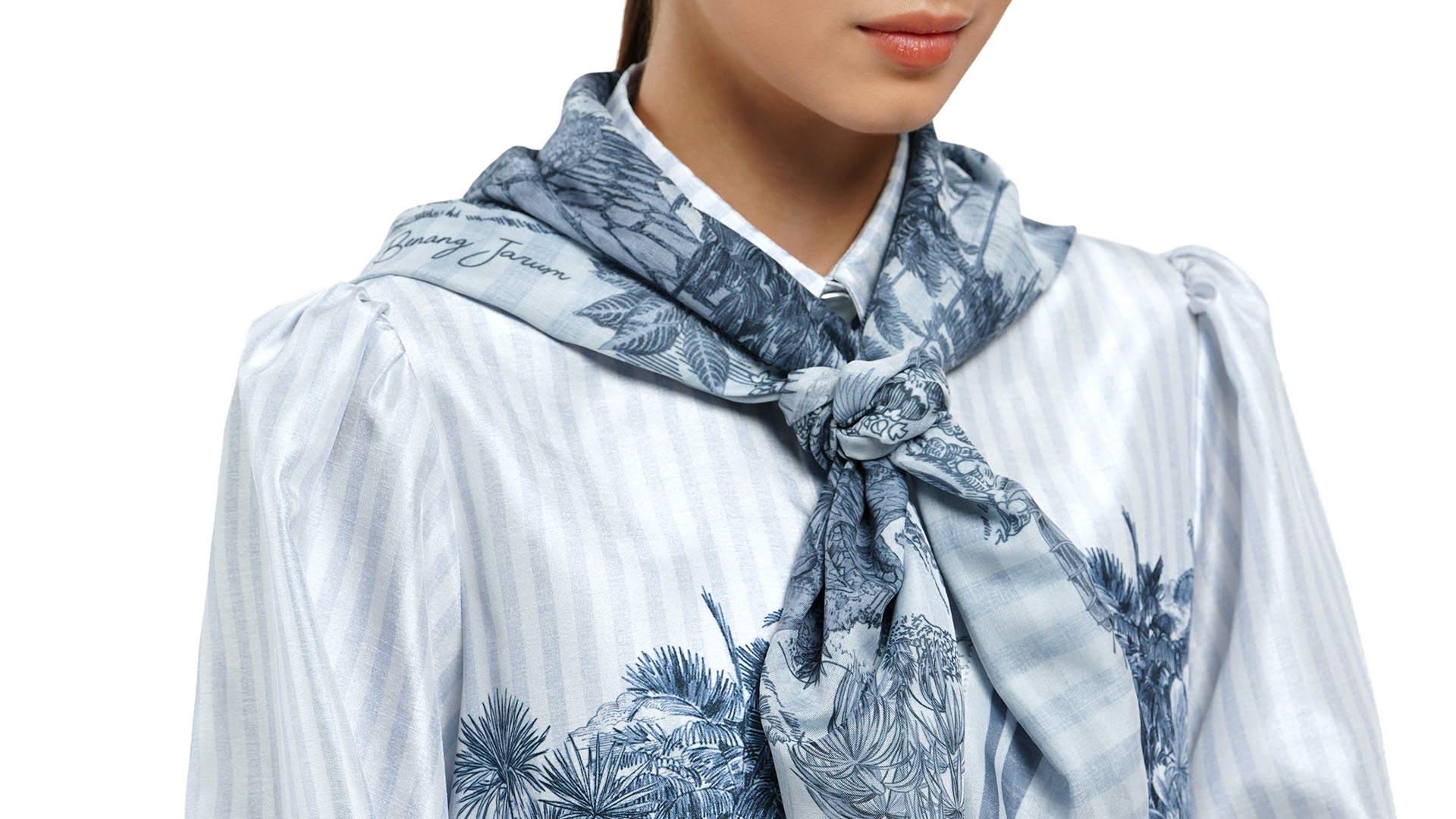
Choosing good satin is critical, particularly if your fashion products will go through coloring or fabric printing. Low-quality satin may absorb ink unevenly, resulting in dull colors or fading after a few washes.
On the other hand, high-quality satin produces sharp prints, vibrant colors, and long-lasting durability. Additionally, good satin gives garments a luxurious and elegant impression, making them more attractive for both formal and casual occasions.
Characteristics of Good Satin for Hijabs and Gamis
Smooth Surface, Glossy but Not Overly Shiny
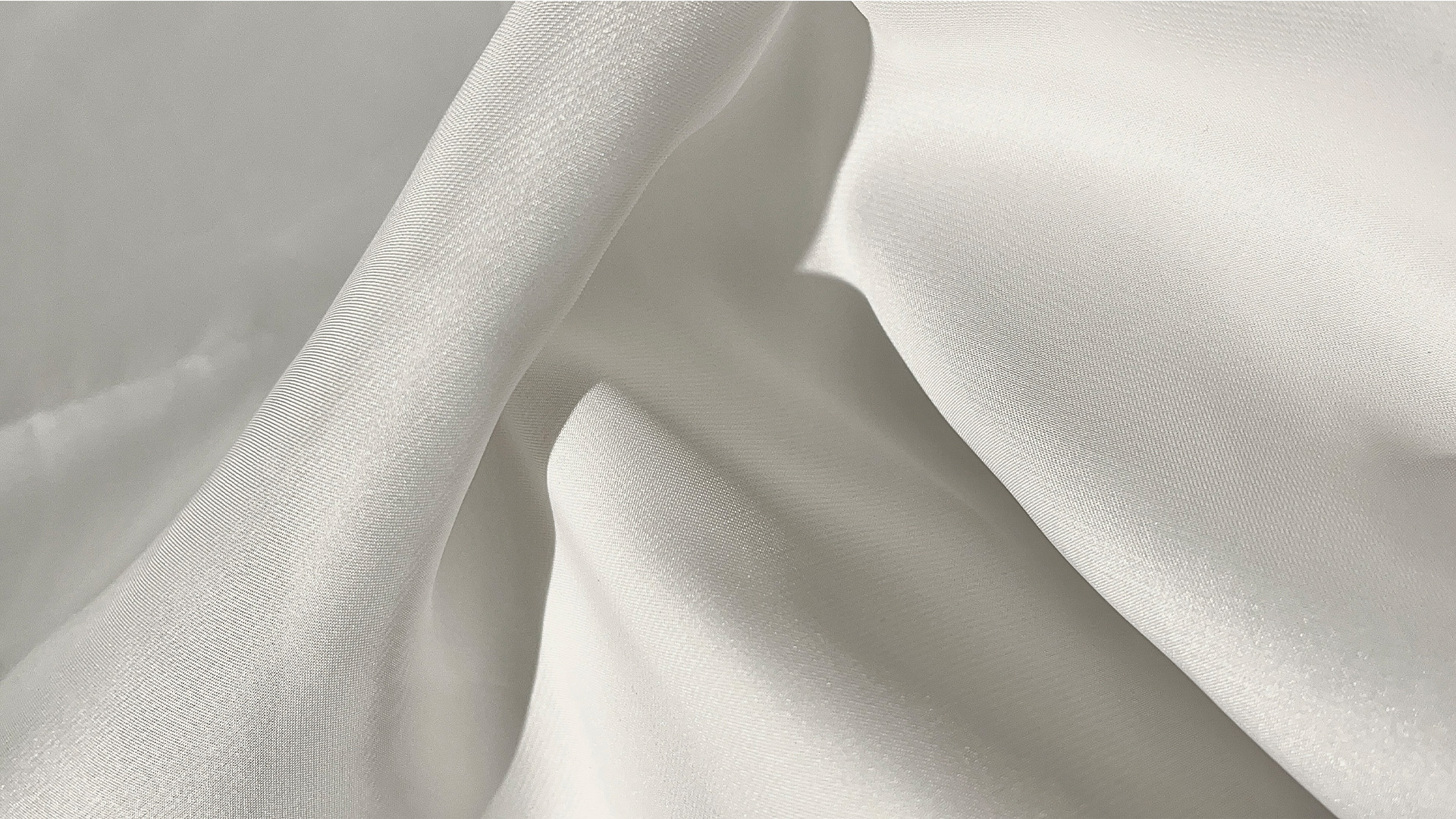
A key characteristic of good satin is its smooth surface with a natural shine. The sheen should not be too strong so it remains elegant. Excessive gloss can look cheap and is unsuitable for Muslim fashion items like hijabs or gamis.
Not Too Slippery and Easy to Shape When Worn
Satin is typically associated with a slippery texture, but for fashion purposes, satin that is too slippery can be difficult to style. Good satin remains smooth and soft yet still holds shape when formed into a hijab or sewn into a gamis. This ensures a neat and wearable final product.
Not Too Thin and Not See-Through
While thin satin may appear luxurious, the thickness must be considered for hijabs and gamis. Good satin should be of proper thickness—opaque yet lightweight and comfortable. This provides comfort for the wearer while maintaining aesthetics.
Flowing Yet Structured When Sewn
Quality satin drapes beautifully while maintaining structure when stitched. This means the fabric can be shaped without losing its design integrity. Gamis will appear elegant and fall gracefully, while hijabs are easy to style and retain their shape.
Vibrant Colors That Don’t Fade After Washing
Another hallmark of good satin is color retention. Dyeing or printing is ineffective if the fabric cannot hold color properly. High-quality satin produces sharp colors, absorbs ink optimally, and resists fading even after multiple washes.
Recommended Satin Types for Fashion Products
Satin Armani
Satin Armani is a premium satin commonly used for elegant gamis and hijabs. Its features include a smooth texture, moderate weight, and subtle sheen. The fabric is easy to shape, wrinkle-resistant, and drapes beautifully when worn. It is ideal for formal and exclusive designs.
Satin CDC
Satin CDC (Crepe de Chine) is a lighter satin with a slightly textured underside. This makes it less slippery and perfect for everyday hijabs or loose-fitting gamis. Despite being lightweight, it still has an elegant appearance and sharp colors.
Choosing good satin is an important investment for the quality of your fashion products, especially for hijabs, gamis, or mukenas. Ideal satin characteristics include a smooth surface, moderate slipperiness, opacity, flowing drape, and excellent color retention.
For those seeking the best satin fabrics, Aliatex is the right choice. As a supplier and manufacturer of fabrics, hijabs, and mukenas, Aliatex provides high-quality satin options like Satin Armani and Satin CDC, perfectly suited for modern Muslim fashion needs.
Get the best fabrics for products that are not only beautiful but also long-lasting.