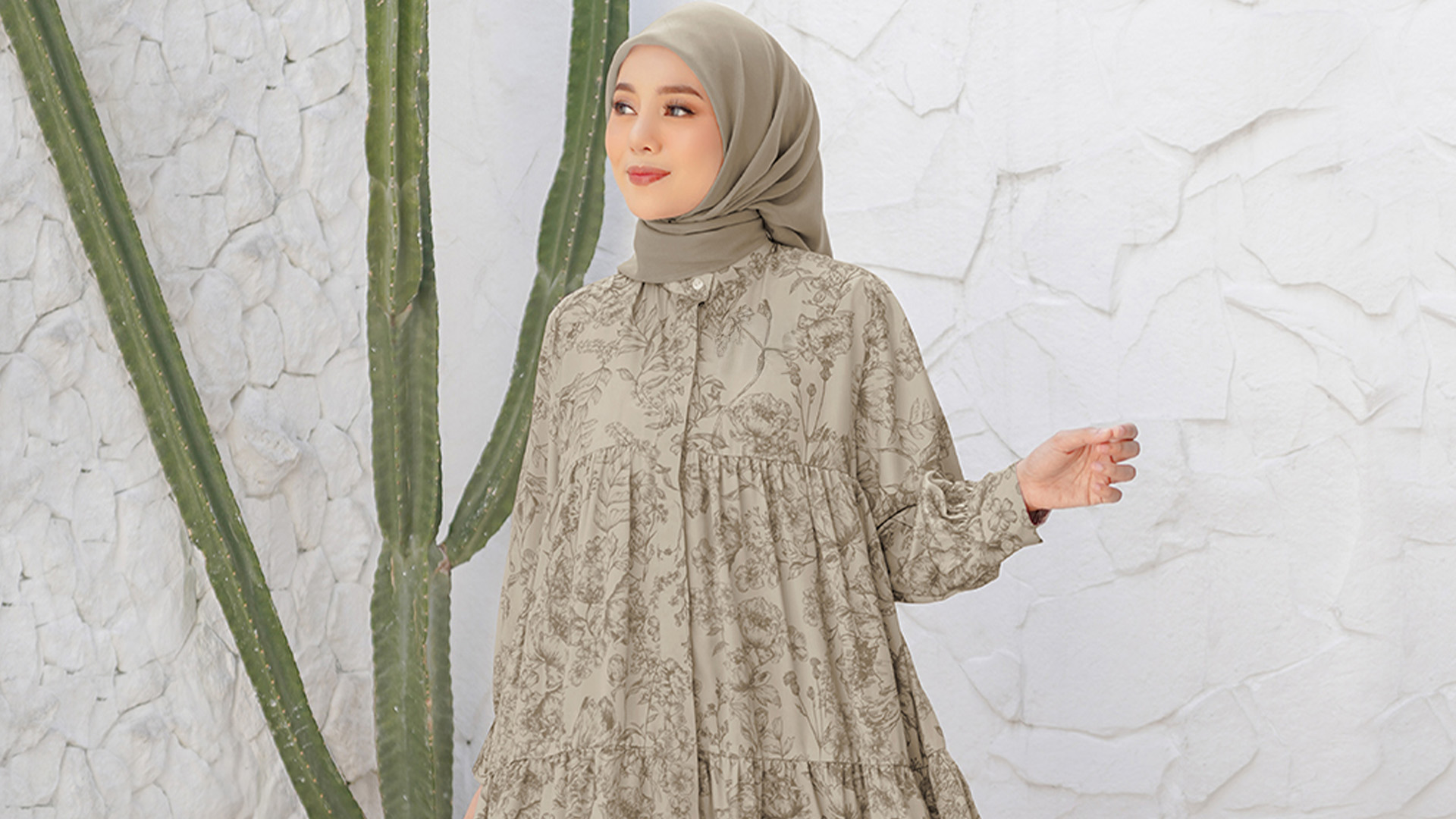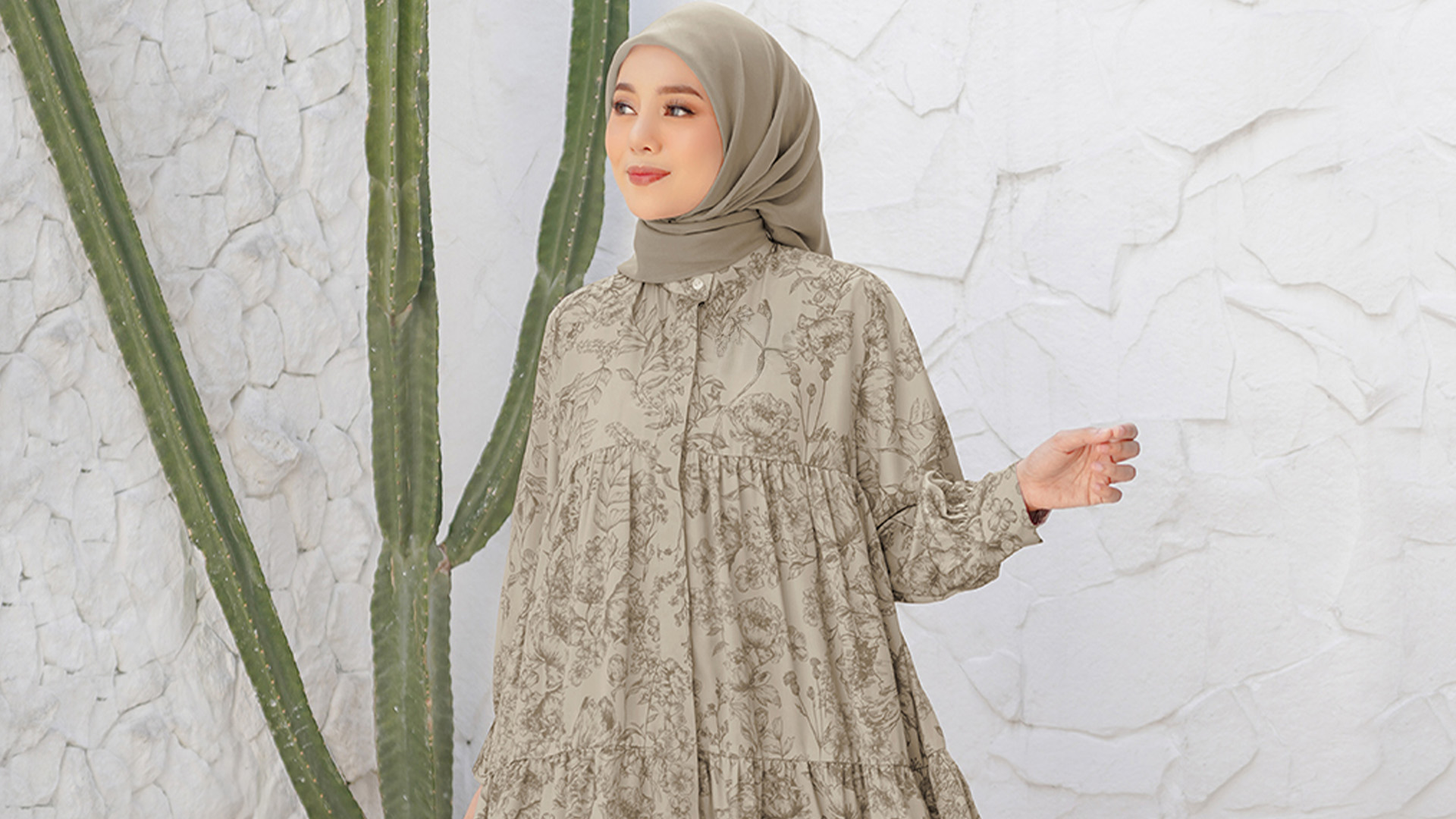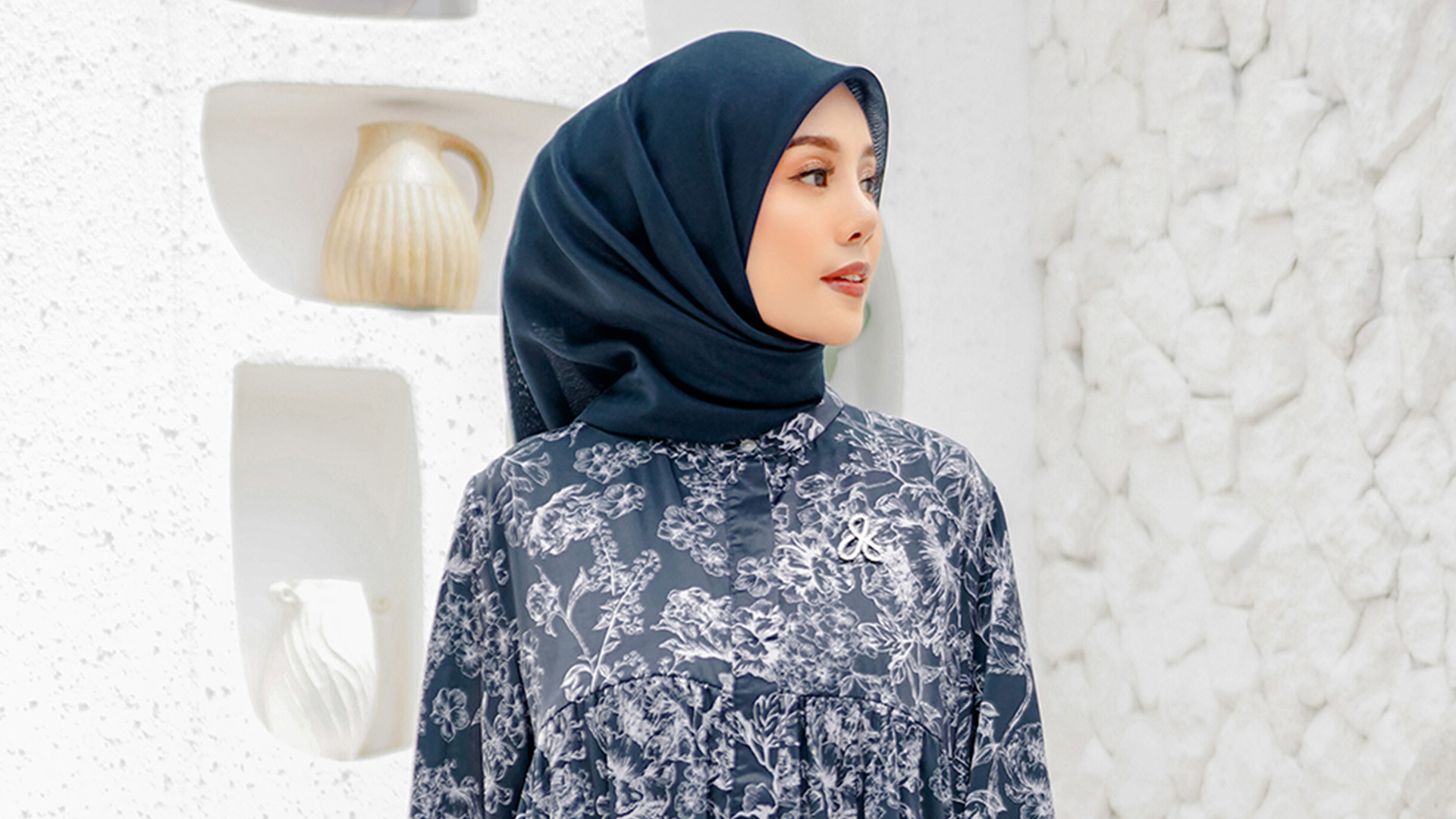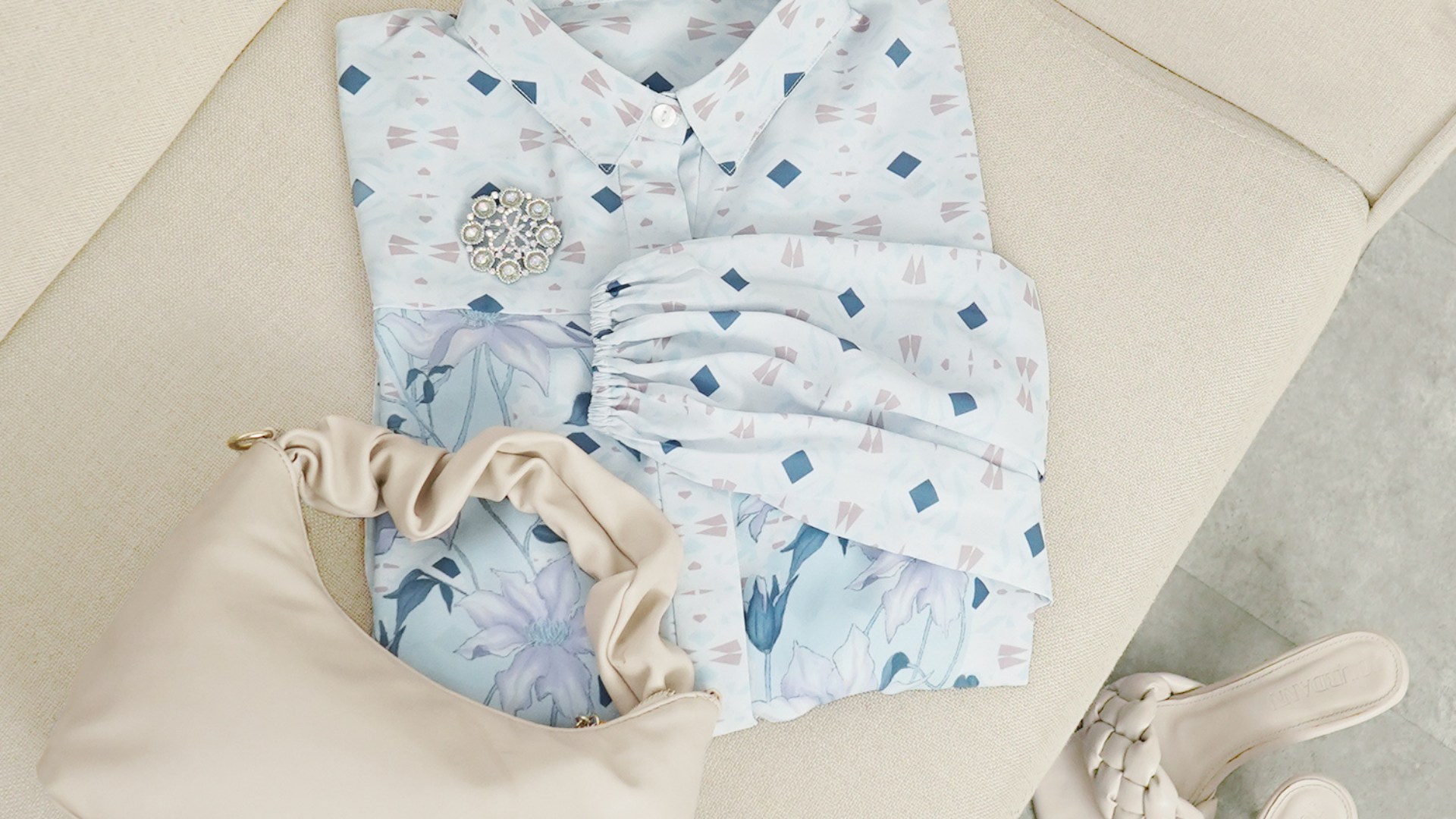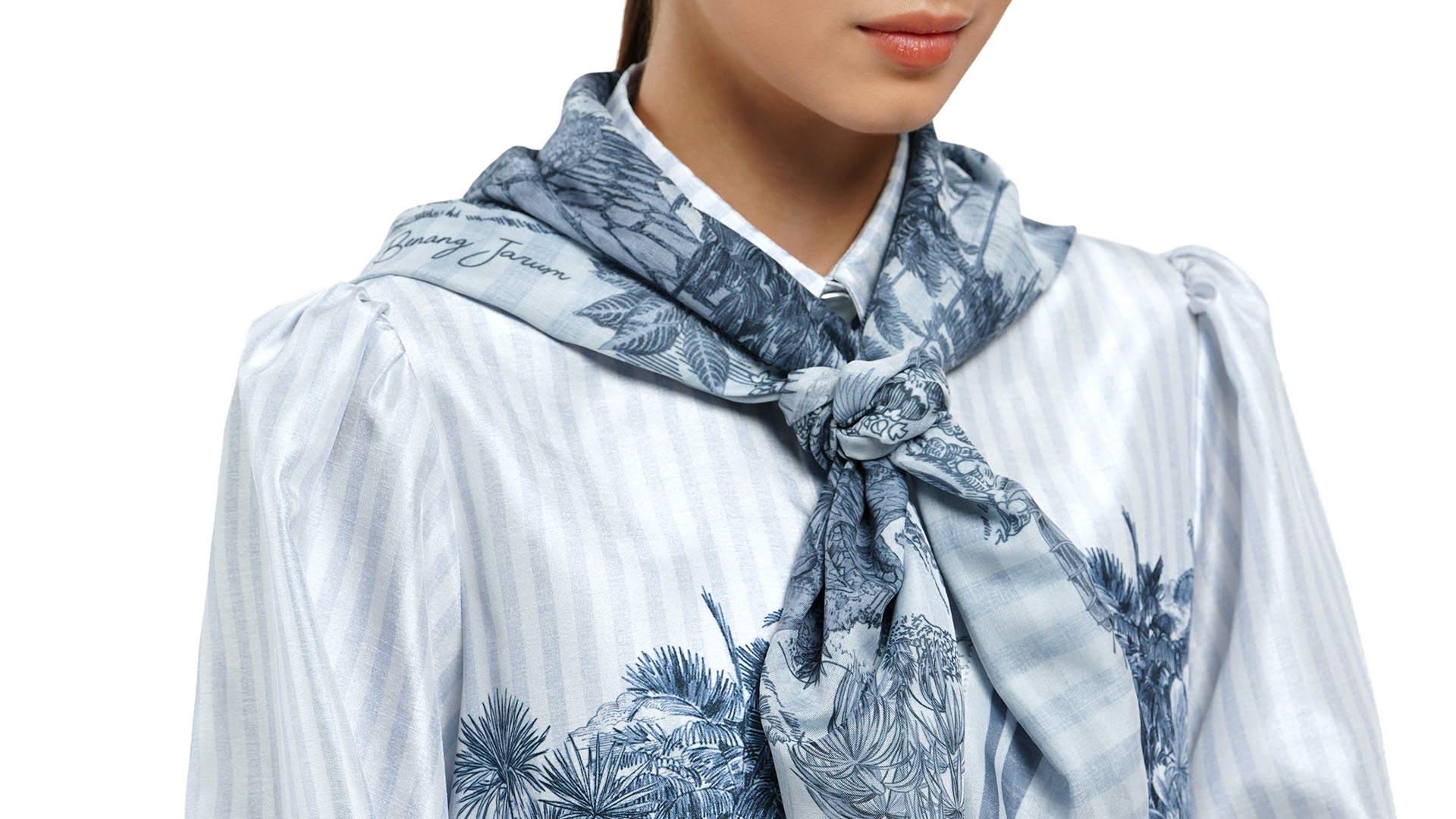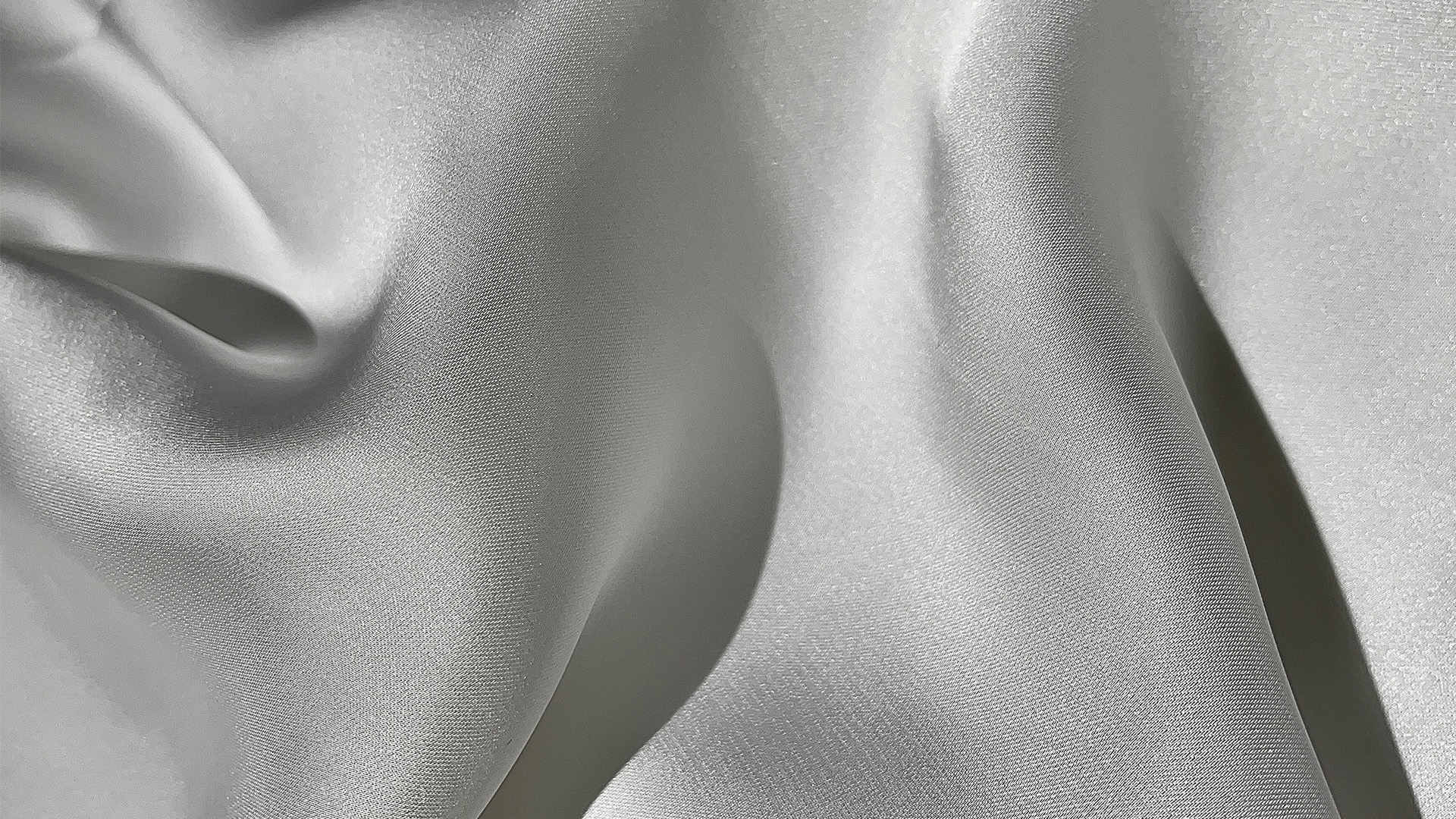


Satin is one of the most popular fabrics in fashion and fabric printing. Its smooth texture, glossy surface, and luxurious appearance make satin a top choice for various needs, from clothing, hijabs, and mukenas to decorations.
However, many people still wonder about its comfort—does satin feel hot when worn?
This question is understandable, as fabric comfort against the skin is very important, especially in tropical climates like Indonesia. To answer it, it’s essential to understand that whether satin feels hot or not depends on several factors, such as fiber composition, fabric thickness, and the wearer’s activity.
Does Satin Feel Hot When Worn?
Satin does not always feel hot. Several factors determine the comfort level of this fabric when worn. Here’s a technical explanation of why satin can feel hot or not:
Depends on the Base Fiber of Satin
Technically, “satin” is not a type of fabric but a weaving technique that creates a smooth and glossy surface. Therefore, satin can be made from various fibers such as polyester, silk, rayon, or nylon.
If satin is made from synthetic fibers like polyester or nylon, it tends to absorb less sweat and may feel warmer, especially in hot weather or in non-air-conditioned spaces. On the other hand, satin made from natural fibers like silk or rayon blends is cooler and more breathable.
So, whether satin feels hot depends on the fibers used.
Weave Density and Thickness Affect Comfort
In addition to fiber type, the thickness and weave density of satin also affect airflow. Satin with a tight weave and very smooth surface may look luxurious but can trap heat.
Conversely, thinner satin with a looser weave tends to feel cooler. Therefore, it’s important to choose satin with the appropriate thickness and weave according to your needs and the surrounding climate.
Function and Activity of the Wearer
Another important factor is how and where the satin is worn. For formal clothing worn briefly in air-conditioned spaces, any type of satin is usually comfortable.
However, for outdoor activities or all-day wear, choose satin that is lightweight and sweat-absorbent. Considering the intended use helps determine the most comfortable satin type.
Tips for Choosing Satin So It Doesn’t Feel Hot
Check Fiber Composition
Choose satin made from rayon or natural fiber blends for a cooler feel. Avoid pure polyester satin if it will be used in hot weather.Select Appropriate Thickness
Very thick satin may look luxurious but can trap heat. For daily wear, choose medium or thin satin.Test Airflow
Hold the fabric and check if air passes through from the back. This gives an indication of the fabric’s breathability.Choose Light Colors
Light colors reflect heat, while dark colors absorb more. For outdoor use, select neutral or pastel shades.Prioritize Usage and Activity
Match the satin fabric to your activity. For hijabs or mukenas, choose lightweight satin that is not too slippery and absorbs sweat well.
In conclusion, whether satin feels hot depends on the fiber type, fabric structure, and how it’s used. Satin can be a comfortable fabric if chosen appropriately for your needs.
For those looking for satin fabrics for hijabs, mukenas, or other fashion products, Aliatex is the ideal choice. As a trusted supplier and manufacturer, Aliatex provides a wide range of high-quality satin fabrics, including comfortable, non-heating materials suitable for fabric printing or ready-to-wear products.