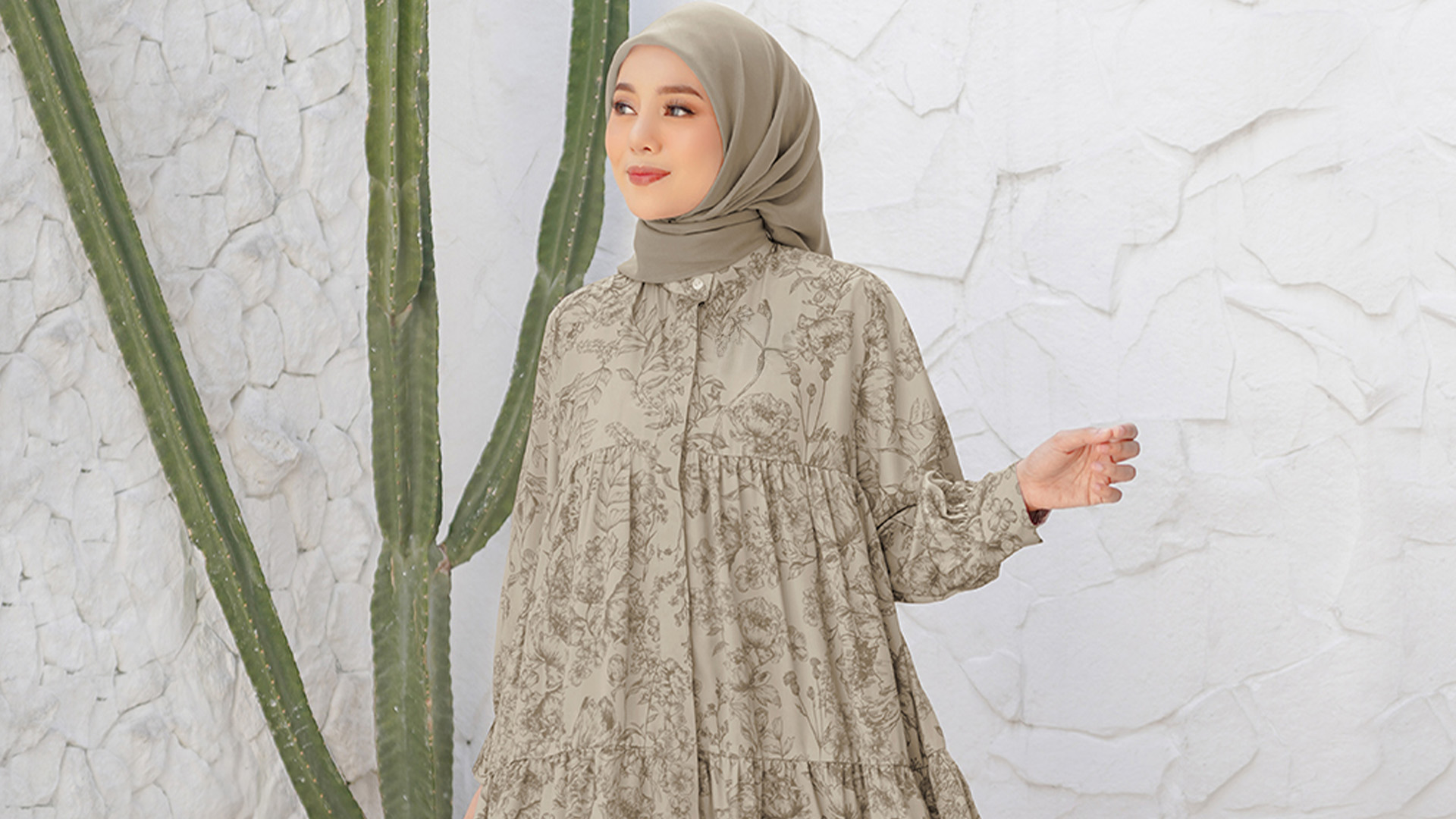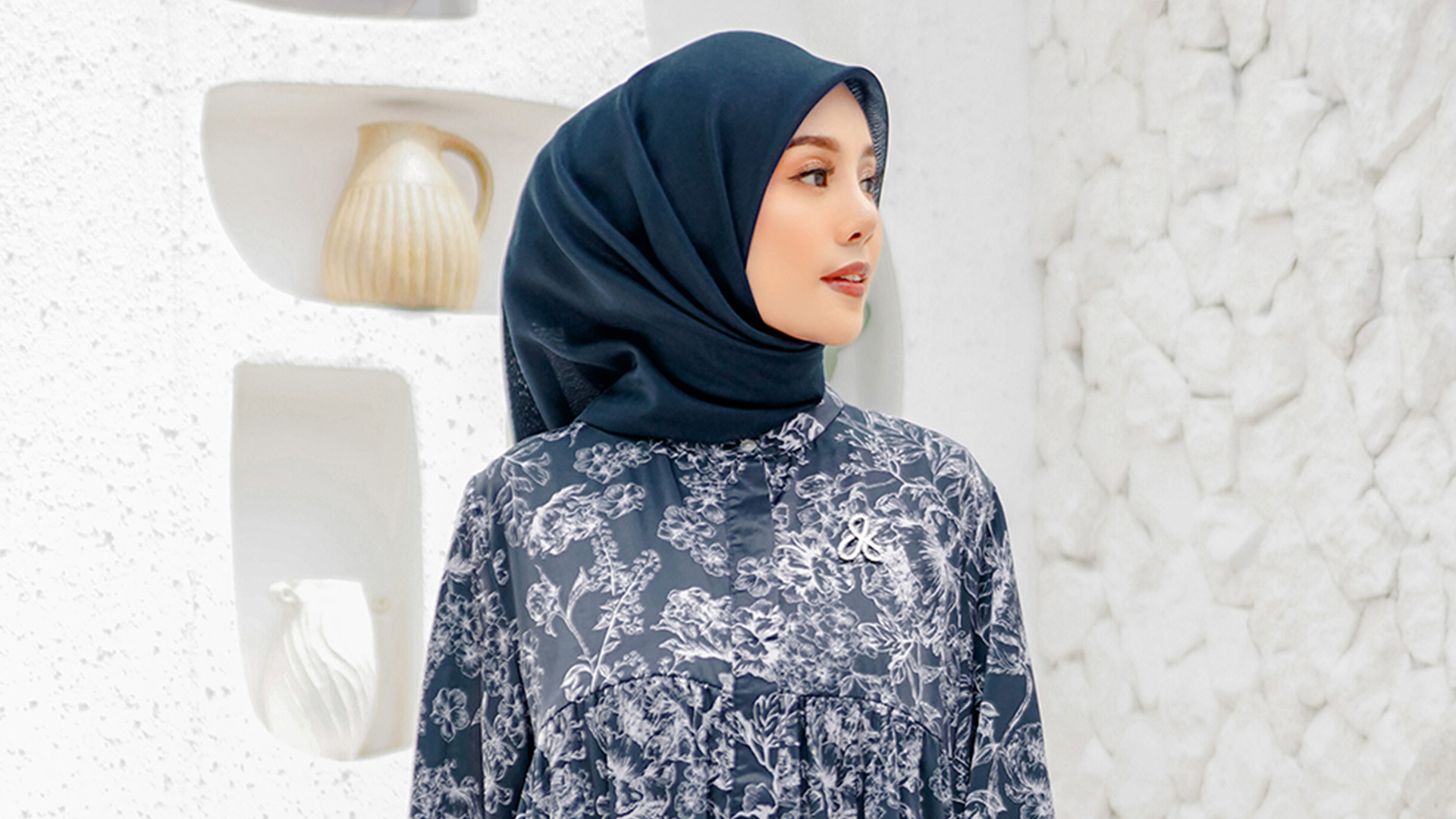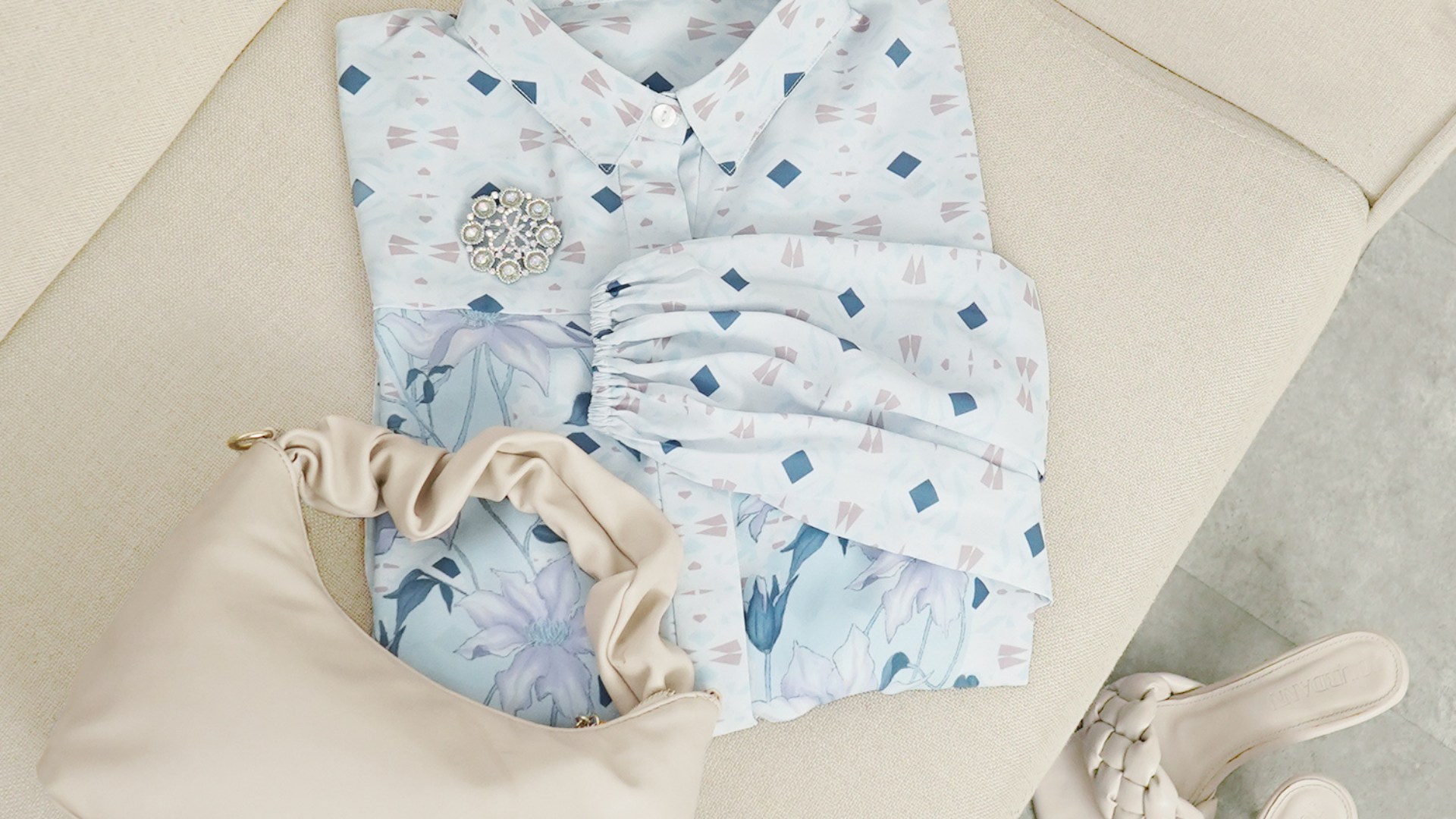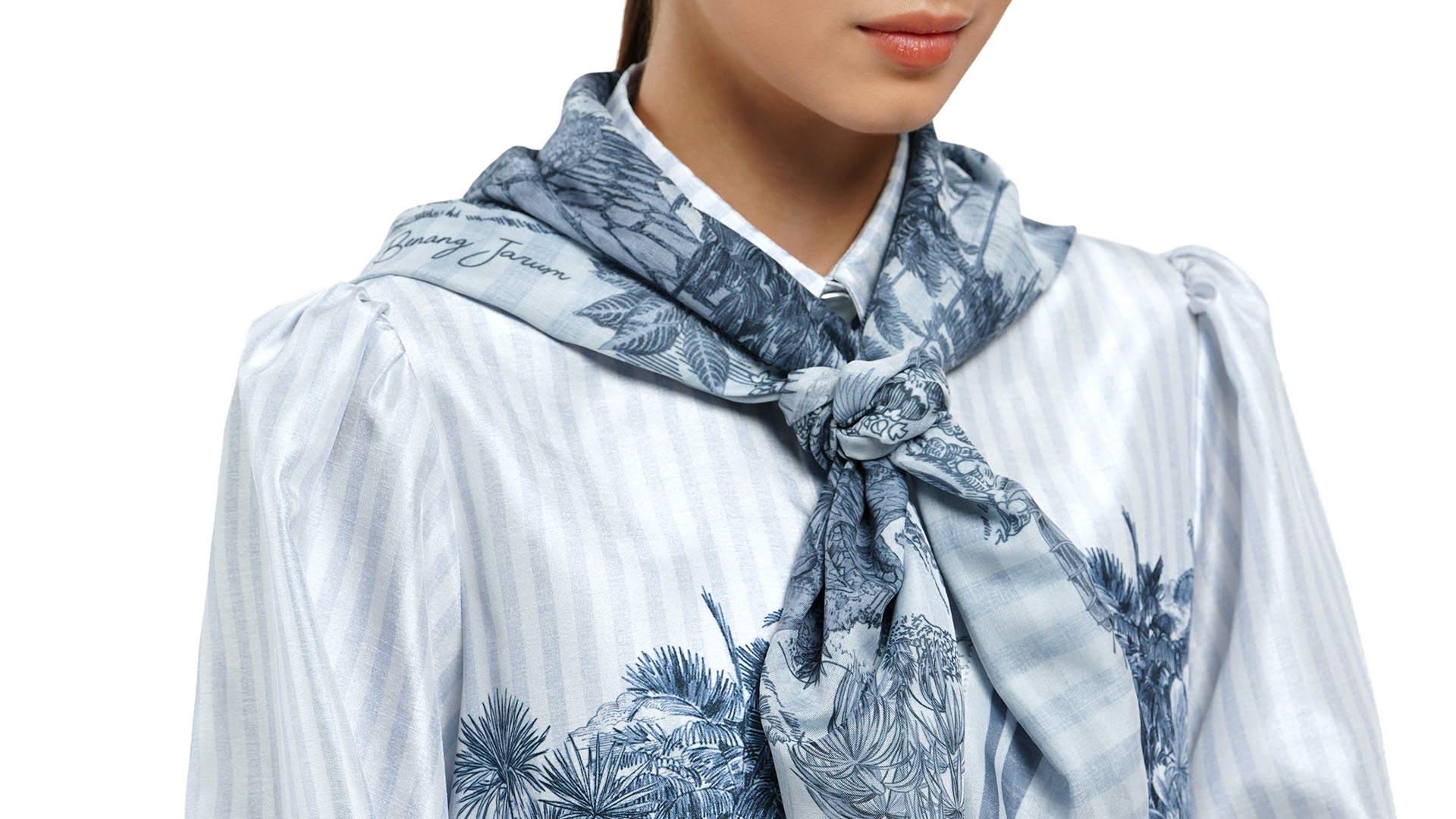


When choosing fabric for a shawl or scarf, a common question arises: Is polyester a good material? In the fashion world, polyester is popular for its affordability and attractive appearance. However, like any material, it has its pros and cons.
Before selecting the right fabric, it’s important to understand the difference between a shawl and a scarf. Both serve as fashion accessories, but there are slight distinctions. Shawls are typically longer and used to keep the body, especially the neck, warm. Scarves, on the other hand, are more versatile in size and function, worn around the neck, head, or as a fashion statement.
The choice of material affects both comfort and the final look of the product, making understanding polyester’s characteristics crucial.
What is Polyester?
Polyester is a synthetic fiber derived from chemical processes, usually based on petroleum. It has been widely used in the textile industry due to its durability and low-maintenance properties.
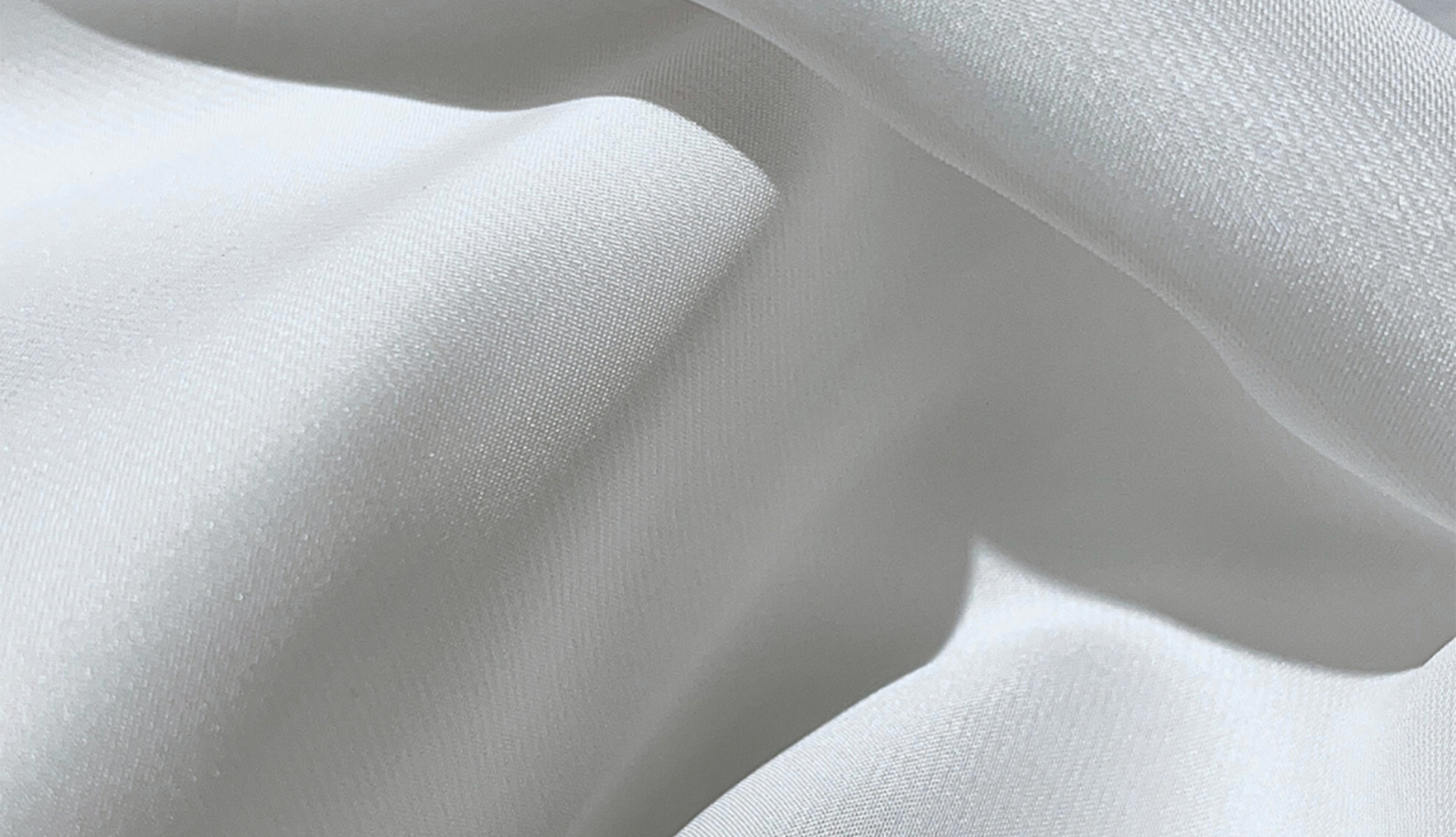
Polyester has a smooth surface, is lightweight, and dries quickly, making it a popular choice for products such as hijabs, mukenas, and sportswear.
Advantages of Polyester
Wrinkle-Resistant and Colorfast
One of polyester’s main benefits is its resistance to wrinkles. The fabric remains neat even after prolonged use or storage. Its colors are also resistant to fading, even after multiple washes, making it ideal for fashion items where long-lasting aesthetics are important.
Ideal for Printing (Especially Sublimation)
For producing patterned scarves or hijabs, polyester is perfect. It absorbs sublimation ink very well, resulting in sharp colors and clear, detailed designs.
Sublimation printing works only on polyester-based fabrics, making it the top choice for products that require visually striking designs.
Cost-Effective for Mass Production
Compared to natural fabrics like silk or premium cotton, polyester is much more affordable. This is advantageous for producing large quantities of fashion items, such as scarves or mukenas, without compromising professional-looking results.
Disadvantages of Polyester
Poor Sweat Absorption and Can Feel Hot
While practical, polyester can be less comfortable. It absorbs sweat poorly and may feel warm in tropical climates or during heavy activity. Therefore, consider the conditions in which the garment will be worn before choosing this material.
Not Environmentally Friendly (Conventional Version)
Conventional polyester takes a very long time to decompose and is made from non-renewable resources, such as petroleum. However, recycled polyester is increasingly available, offering a more eco-friendly alternative, though it has not yet fully replaced conventional polyester on the market.
Polyester can be an excellent choice if you need a durable, wrinkle-resistant fabric suitable for printing. However, if comfort and environmental considerations are top priorities, it may be worth exploring other options.
For those looking to produce scarves, hijabs, or mukenas with high-quality printing, Aliatex is a trusted partner. Aliatex is an experienced fabric supplier and printing service provider, adept at handling polyester for a variety of fashion applications. Using modern printing technology and high-quality fabrics, Aliatex helps turn creative designs into real products.
Whether for small-scale or large-scale production, polyester remains an efficient choice. Understanding its characteristics allows you to answer the question, “Is polyester fabric good?” based on informed considerations.