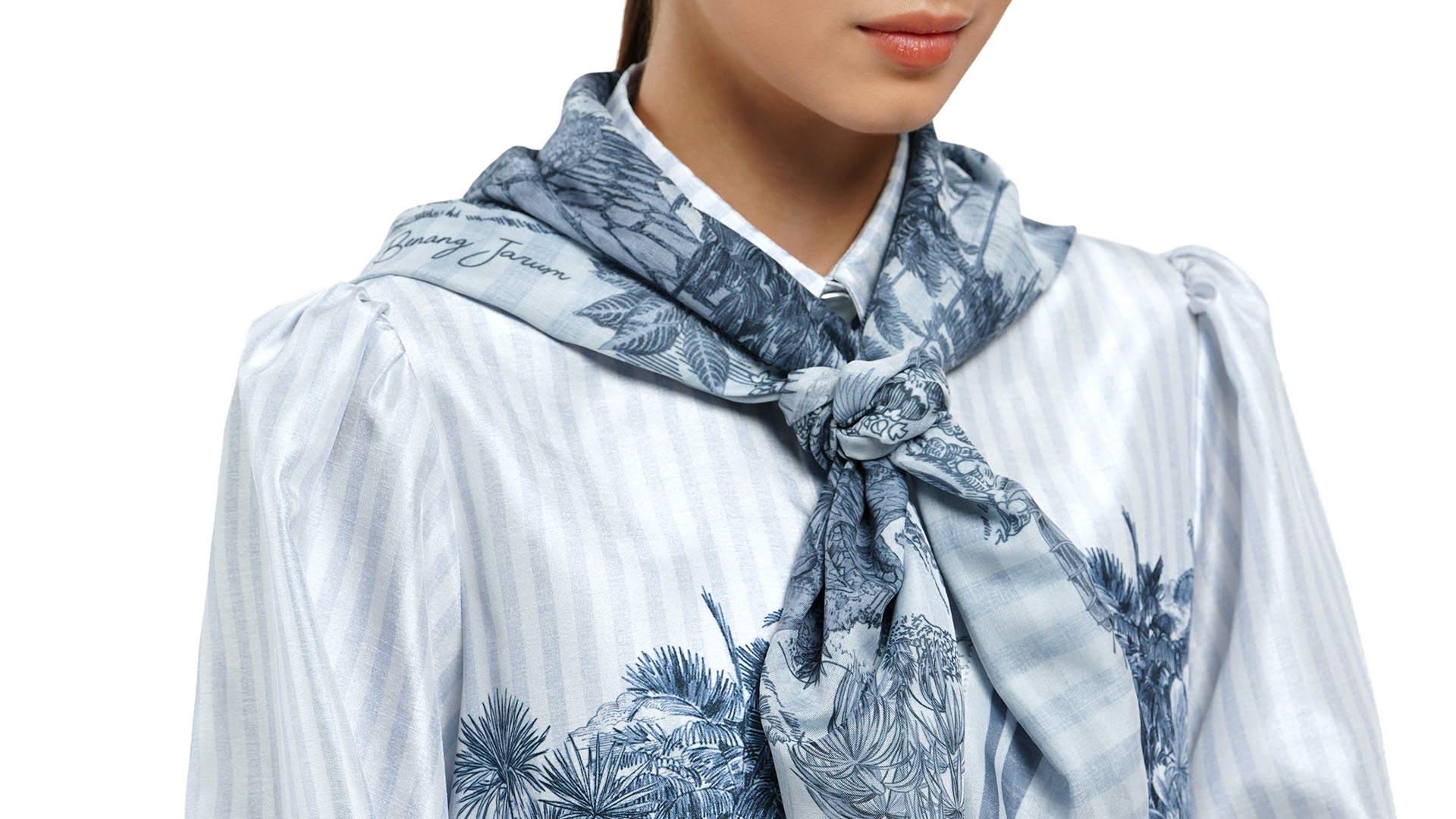
In the fashion industry, understanding fabric characteristics is a key factor in producing high-quality products. One common question that often arises is: Is polyester slippery or not?
Many fashion entrepreneurs assume that polyester always has a smooth and shiny surface, but not all types of polyester have this property. This article will discuss the factors that affect polyester texture and how to choose the right fabric for your production needs.
Is Polyester Always Slippery? Not Always. Here’s the Explanation
Variety of Polyester Fabrics
Polyester is not a single type of fabric; it is a synthetic fiber that can be processed into various fabric types with different characteristics.
Some polyester is made into satin fabrics that are very smooth and glossy, while others are processed into matte textures like scuba, drill, or twill, which feel coarser and thicker.
Therefore, when asking whether polyester is slippery, it is important to consider the fabric type and the manufacturing technique.
Fabric Finishing Affects Texture
One of the main factors influencing the slipperiness of polyester fabric is the finishing process. Finishing is the final stage in fabric production that determines the surface appearance and feel.
For example, fabric with a “glossy” finish will feel smoother, while “brushed” or “matte” finishes result in a softer or slightly rough surface. This finishing process often becomes the main determinant of whether polyester feels slippery to the touch.
Fiber Blends Alter Surface Characteristics
Polyester is often blended with other fibers such as cotton, rayon, or spandex to create fabrics with specific characteristics.
These blends not only affect stretch and absorption but also the surface texture of the fabric. For example, a polyester-cotton blend produces breathable, less slippery fabric, suitable for products like t-shirts or mukenas that require extra comfort.
Meanwhile, polyester-spandex blends feel smooth yet more elastic, often used for activewear or instant hijabs.
Tips for Choosing Polyester According to Fashion Production Needs
To avoid choosing the wrong fabric, it is important for fashion entrepreneurs to understand their product’s specific requirements. Here are some tips:
1. Determine the Product’s Function
For products like hijabs or mukenas, comfort and softness are the top priorities. Choose polyester blended with rayon or other natural fibers for a softer feel. If a luxurious and glossy effect is desired, satin polyester is an ideal choice.
2. Test the Texture Directly
Do not rely solely on the fabric description. Touch and feel the fabric directly. This helps determine whether the polyester feels slippery according to your product expectations.
3. Consider Printing Needs
Not all types of polyester are suitable for fabric printing. Make sure to choose a fabric that absorbs ink well without altering the color or damaging the motif. Polyester with a less slippery surface generally produces sharper and more durable prints.
4. Use Professional Services
To facilitate production, you can collaborate with professional fabric printing providers who understand polyester characteristics in depth.
Understanding whether polyester is slippery is crucial for determining the final quality of your fashion products. Many factors, such as fabric type, finishing, and fiber blends, affect polyester texture.
For the best results, you can work with Aliatex, a professional fabric printing service that also handles hijab and mukena printing. Aliatex can help you choose the most suitable polyester fabric for your production needs, delivering sharp prints and long-lasting colors.
With experience and advanced technology, Aliatex is the right choice for fashion entrepreneurs who prioritize quality and production efficiency.